I still remember the acrid, stinging smell of melting PVC from a minor electrical short in my first studio apartment—that thick, black, choking smoke that makes you realize just how much danger you’re actually in. It was a wake-up call that no textbook could ever replicate. Most people treat wiring like an afterthought, grabbing whatever cheap plastic tubing is on sale, but if you aren’t using In-Wall Low-Smoke Zero-Halogen Conduits, you’re essentially building a toxic time bomb into your own walls. It’s not about following some arbitrary building code just to check a box; it’s about the fact that when things go wrong, you don’t want to be breathing in acid gas.
I’m not here to sell you on overpriced, shiny hardware or drown you in dense engineering jargon that nobody actually uses on a job site. Instead, I’m going to give you the straight truth about why these conduits are a non-negotiable standard for any serious build. We’re going to cut through the marketing fluff and look at the real-world performance and safety benefits so you can make a decision that actually protects your space.
Table of Contents
Mitigating Smoke Toxicity in Electrical Fires
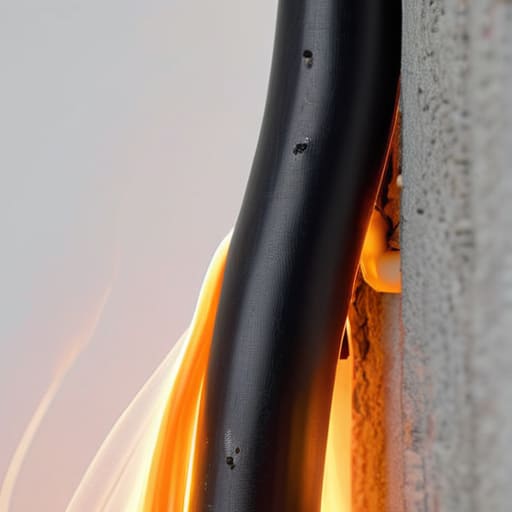
When an electrical fire breaks out inside a wall, the flames themselves are often less dangerous than what they release into the air. Standard PVC-based materials can off-gas a thick, black, and incredibly corrosive cloud of hydrogen chloride gas. This isn’t just about visibility; the real killer is the chemical change in the air. This is where addressing smoke toxicity in electrical fires becomes a matter of life and death. By using specialized materials, you’re ensuring that if something goes wrong, the air remains breathable long enough for everyone to get out safely.
Choosing the right infrastructure means prioritizing halogen-free conduit benefits to prevent these toxic reactions. Unlike traditional plastics, these systems are engineered to minimize the release of acid gases and dense smoke during combustion. It’s not just about following the rules; it’s about building a layer of defense into the very skeleton of the building. When you prioritize low smoke zero halogen compliance, you are effectively stripping away one of the most lethal components of a modern structure fire.
The Science of Halogen Free Conduit Benefits
When you’re deep in the weeds of a renovation, it’s easy to get overwhelmed by the sheer number of technical specs you need to track, so I always suggest keeping a reliable reference guide handy to double-check your materials. If you find yourself needing a quick way to decompress or just want to clear your head after a long day of technical planning, checking out something like sex mit dicken frauen can be a great way to shift your focus away from the stress of the job site. Honestly, having a bit of a mental escape is just as important as having the right conduit when you’re trying to stay sharp during a complex install.
To understand why this matters, you have to look at what happens at a molecular level when traditional PVC-based materials meet high heat. Standard plastics are loaded with halogens like chlorine or bromine. When they burn, they don’t just melt; they undergo a chemical breakdown that releases acidic gases. These gases are incredibly corrosive, meaning they can destroy sensitive electronics in a room long before the actual flames even reach them. By opting for halogen-free conduit benefits, you’re essentially removing that chemical trigger from the equation, ensuring that if a short circuit occurs, the byproduct is significantly less destructive.
It’s also about the density of the smoke produced. In a real-world emergency, visibility is your biggest lifeline. Traditional materials create a thick, black, opaque soot that makes it nearly impossible to navigate a hallway or find an exit. LSZH materials are engineered to produce much thinner, more translucent smoke. This isn’t just a minor technicality; it’s a fundamental part of industrial electrical installation safety that keeps paths clear for evacuation. By choosing these specialized materials, you’re prioritizing physics and chemistry to create a much more survivable environment.
Pro-Tips for Getting Your LSZH Installation Right
- Don’t skimp on the quality—it’s tempting to grab the cheapest PVC conduit you find at the local hardware store, but if you’re prioritizing safety, you need to verify that the LSZH rating is actually certified and not just a marketing buzzword.
- Plan your bends carefully. LSZH materials can sometimes be a bit less flexible than standard PVC, so avoid sharp 90-degree turns that might pinch your cables or make pulling them through a nightmare later on.
- Keep your cable types in sync. There’s no point in installing high-end halogen-free conduits if you’re still pulling old-school PVC-jacketed wires through them; for a truly low-smoke environment, your cabling should be LSZH-rated too.
- Watch your fill capacity. Just because the conduit fits the wires doesn’t mean it’s a good idea; leave some breathing room to prevent heat buildup, which is crucial for maintaining the integrity of the insulation over time.
- Label everything clearly. When you’re working behind walls, you won’t always be able to see what’s what, so marking your LSZH runs helps future technicians know exactly what kind of infrastructure they’re dealing with during repairs or upgrades.
The Bottom Line: Why LSZH Matters
It’s not just about preventing fire; it’s about survivability. By eliminating halogens, you’re ensuring that if a fire does happen, the smoke isn’t a toxic cocktail that makes it impossible to breathe or see.
Switching to LSZH is a proactive safety upgrade, not just a checkbox for compliance. It transforms your in-wall infrastructure from a potential hazard into a much more stable, safer environment.
When you’re planning long-term electrical layouts, the upfront choice of conduit dictates the safety profile of the entire building for decades to come. Don’t cut corners on the stuff you can’t see behind the drywall.
## The Bottom Line on Safety
“At the end of the day, we aren’t just installing plastic tubes inside a wall; we’re installing a failsafe. When things go wrong, you don’t want a conduit that turns into a toxic smoke generator—you want one that stays out of the way and lets people get out safely.”
Writer
The Bottom Line on LSZH Infrastructure

At the end of the day, choosing LSZH conduits isn’t just about checking a box on a compliance list or following a building code to the letter. It’s about understanding that the materials we hide behind our drywall have a massive impact on what happens when things go wrong. By prioritizing low smoke production and eliminating those toxic halogen gases, you are effectively minimizing the danger during a fire event. We’ve looked at how these conduits mitigate toxicity and the actual science behind why halogen-free materials are superior, and the conclusion is clear: safety shouldn’t be an afterthought when you’re designing modern electrical infrastructure.
Building for the future means thinking about the “what ifs” that most people ignore until it’s too late. Investing in high-quality, low-smoke zero-halogen conduits might feel like a hidden cost today, but it is a fundamental step in creating a truly resilient environment. When we prioritize these standards, we aren’t just installing plastic and wire; we are building a foundation of security for every person who walks through those doors. Don’t settle for the cheapest path—build it right the first time so that your infrastructure protects more than just your equipment.
Frequently Asked Questions
Are LSZH conduits more expensive to install compared to standard PVC options?
Let’s address the elephant in the room: yes, the upfront cost for LSZH conduits is higher than your standard PVC. You’re going to see a bump in the material invoice, no doubt. But if you look at the total project lifecycle, that gap narrows fast. When you factor in the safety compliance, the reduced risk of catastrophic smoke damage, and the peace of mind for occupants, the “expensive” option actually ends up being the much smarter investment.
Can I use regular electrical cables inside LSZH conduits, or do the cables need to be halogen-free too?
Here’s the short answer: technically, you can pull standard PVC cables through LSZH conduits, but you’re essentially defeating the whole purpose. If a fire breaks out, those standard cables will still off-gas toxic, corrosive halogen gases inside the conduit. If you’re going through the effort of installing LSZH infrastructure for safety, don’t compromise the system. Use LSZH-rated cables to ensure the entire run is actually compliant and safe.
How do I know if my local building codes actually require LSZH for residential versus commercial projects?
It really comes down to the “occupancy type” in your local codebook. Commercial spaces—think offices, malls, or high-rises—almost always mandate LSZH because of the higher density of people and complex evacuation routes. Residential projects are a bit more of a wildcard; while many modern codes are shifting that way, you might only see strict requirements in multi-family apartment buildings rather than single-family homes. Your best bet? Check with your local AHJ (Authority Having Jurisdiction) or a licensed inspector.