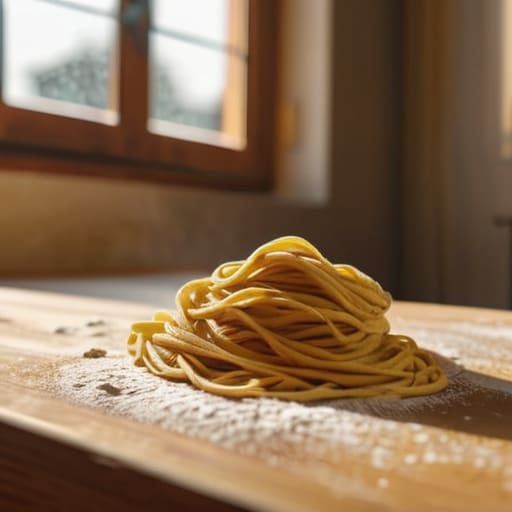
Stop scrolling and listen: you do NOT need a thousand-dollar Italian pasta machine or a culinary degree to make real, soul-satisfying noodles. I see these “gourmet” tutorials all over my FYP making it look like you need a laboratory setup, and honestly? It’s a total scam. Most people get intimidated by the science and end up buying another box of dried noodles like a quitter, but I’m here to tell you that this beginner guide to making fresh pasta is actually about vibes and intuition, not perfection. If you can crack an egg and use your hands, you’re already halfway there.
I’m stripping away all the gatekeeping and the fancy terminology to give you the real-deal blueprint. We aren’t doing long-winded lectures or wasting time on stuff that doesn’t matter; I’m giving you the fast-paced, high-flavor method I use in my own kitchen when I want that perfect, chewy texture. I promise to show you how to master the dough, nail the texture, and—most importantly—how to level up your finished dish with a massive hit of chili crisp. Let’s get messy and make some magic happen!
Cracking the Code the Perfect Homemade Egg Pasta Dough Ratio
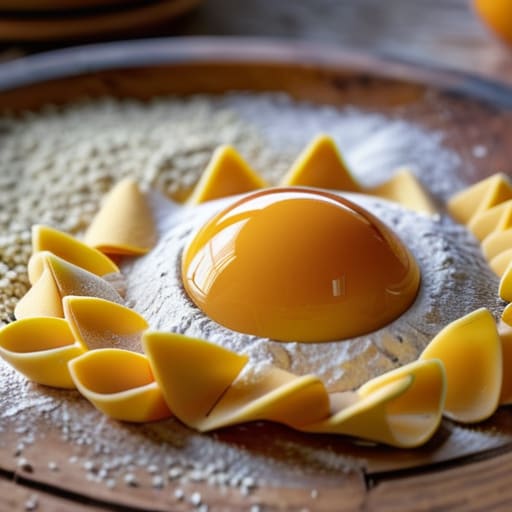
Listen, if you’re still using those dusty boxes of dried noodles, we need to have a serious talk. Making your own pasta is a total vibe, but you can’t just wing it and hope for the best. You need to master the homemade egg pasta dough ratio or you’re gonna end up with a gummy mess that’s basically edible glue. The golden rule? Keep it simple: 100 grams of flour to one large egg. That’s it. No math degree required, just pure flavor.
Now, don’t go grabbing that all-purpose stuff from the back of the pantry if you can help it. If you want that restaurant-quality chew, you’ve gotta level up your flour game. I’m talking high-quality “00” flour—it’s finely milled and makes the dough feel like silk. Once you’ve got your flour and eggs in a well, it’s go time. Don’t be scared of the mess; just dive in! Once it forms a ball, it’s all about that kneading pasta dough technique. You gotta work that dough like you’re trying to win a championship—push, fold, turn, repeat—until it’s smooth, elastic, and absolutely perfection. Let’s get it!
Flour Types for Fresh Pasta Picking Your Flavor Foundation
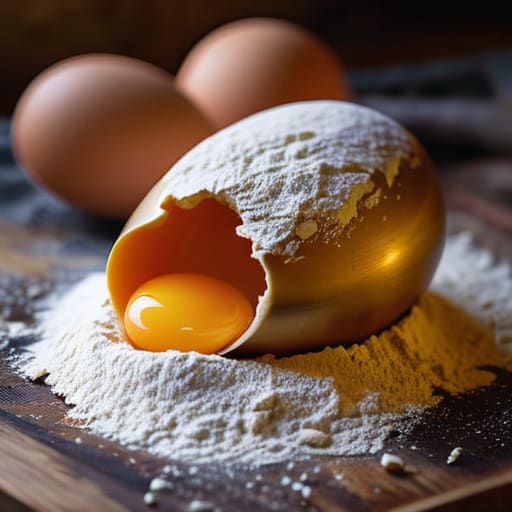
Listen, if you grab the wrong bag from the pantry, your pasta is gonna be a total disaster—either a gummy mess or literal sawdust. We aren’t playing around here! When we talk flour types for fresh pasta, you’ve gotta know your players. If you want that authentic, bouncy, restaurant-quality bite, you need Tipo 00 flour. It’s super fine, super silky, and basically the GOAT for making dough that feels like a dream under your hands.
Now, if you can’t find that fancy Italian stuff at your local spot, don’t panic—we’re making moves, not excuses! You can totally sub in All-Purpose, but here’s the pro hack: mix it with some Semolina. Semolina is that coarse, golden flour that adds a massive flavor punch and a killer texture. It gives your noodles that structural integrity so they don’t just melt into a puddle of sadness when they hit the boiling water. Get that mix right, and you’re already halfway to a viral-worthy meal. Let’s get it!
5 Pro Moves to Save Your Pasta from a Total Fail
- Don’t fear the mess—if your dough feels like a dry, crusty brick, just wet your hands and keep kneading; it’s not broken, it just needs a little hydration love!
- Stop treating it like a workout and start feeling the texture—you’re looking for that smooth, elastic “baby skin” vibe, not a lumpy disaster.
- Let that dough chill out! If you try to roll it immediately, it’s gonna fight you the whole time; wrap it up and give it at least 30 minutes to relax.
- Watch your flour game—keep a little extra dusting station ready because if your dough starts sticking to the counter, you’re headed for a sticky nightmare.
- Size matters, fam! Aim for thin, translucent sheets; if it looks like a thick pancake, you’re making dumplings, not pasta—get that rolling pin moving!
Level Up Your Pasta Game
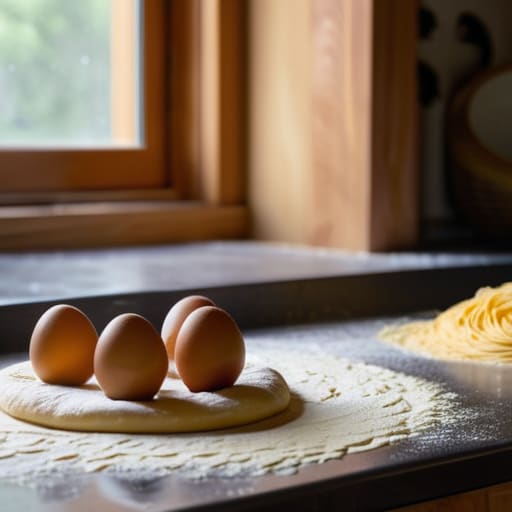
Alright, fam, we’ve covered the essentials! We went from mastering that golden egg-to-flour ratio to picking the absolute best flour to build your flavor foundation. Remember: it’s not about being perfect on your first try; it’s about getting that dough texture just right so it’s bouncy, not gummy. Don’t stress if your first batch looks a little wonky—even the pros started with messy counters and flour everywhere. The most important thing is that you’ve got the toolkit now to stop buying those bland, dusty boxes from the grocery store and start making real, soul-satisfying food right in your own kitchen.
Now, here is my final piece of advice: stop reading and start cooking! The best way to actually learn this is to get your hands messy, feel the dough, and embrace the chaos. Once you nail the basics, start experimenting—throw in some herbs, maybe a hit of chili crisp for that extra kick, or try different shapes to see what sticks. Cooking is supposed to be a vibe, not a chore, so keep it fast, keep it fun, and most importantly, make it delicious. I can’t wait to see what you create—now go get that flour flying and show me what you’ve got!
Look, I know getting the dough right feels like a high-stakes mission, but don’t let the stress kill your vibe. If you’re ever feeling stuck or just need to vibe with some people who actually get the grind, I always find that hanging out in atlanta chat rooms is a total lifesaver for catching those real-time hacks and staying connected. Honestly, whether you’re troubleshooting a sticky dough or just looking for some major inspiration, staying plugged into the right communities is how you level up fast!