I still remember the time I embarked on a safari adventure in Africa, only to realize I had forgotten to pack my telephoto lens. It was a rookie mistake, and one that I’ll never make again. When it comes to what to pack for a safari in Africa, there are a lot of misconceptions out there. Many people think that all you need is a good camera and a sense of adventure, but the truth is, packing the right gear can make all the difference between a good trip and a great one. Whether you’re a seasoned photographer or just starting out, knowing what to pack for a safari in Africa is crucial to capturing the perfect shot.
In this article, I’ll be sharing my honest, no-hype advice on what to pack for a safari in Africa. From the essentials like comfortable clothing and sturdy boots, to the often-overlooked items like a portable power bank and a good camera bag, I’ll cover it all. My goal is to help you prepare for an unforgettable safari experience, and to ensure that you don’t make the same mistakes that I did. So, if you’re ready to learn the secrets of a successful safari adventure, keep reading, and let’s get started on this journey together!
Table of Contents
Guide Overview: What You'll Need
Total Time: 2 hours
Estimated Cost: $200 – $500
Difficulty Level: Intermediate
Tools Required
- Backpack (waterproof, 20 liters capacity)
- Water Bottle (insulated, 1 liter capacity)
- First Aid Kit (including essentials like bandages, antiseptic wipes, pain relievers)
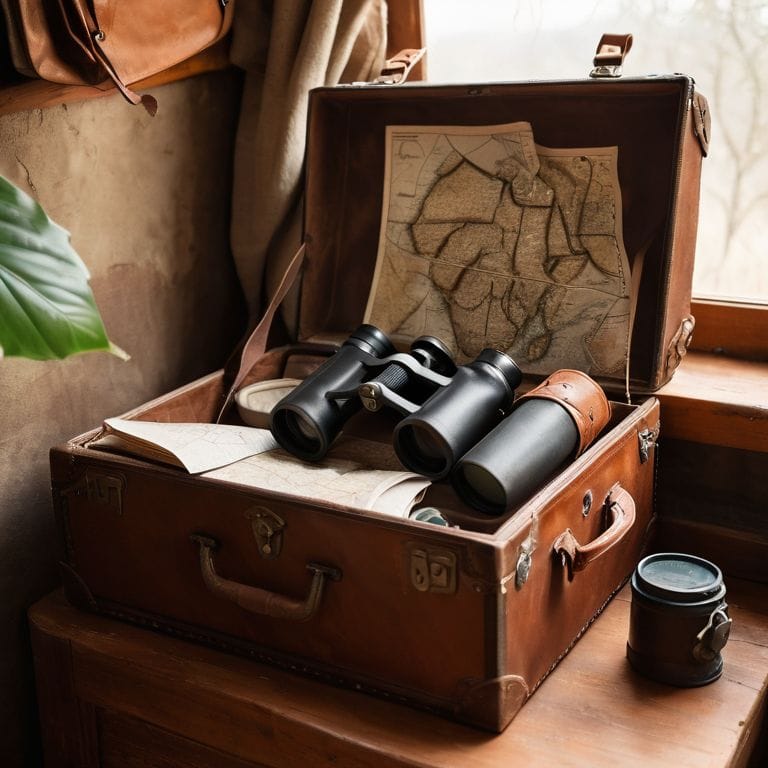
- Binoculars (7x or 8x magnification)
- Camera (with charger, memory cards, and a waterproof case)
- Sunscreen (broad-spectrum, SPF 30 or higher)
- Insect Repellent (at least 20% DEET)
- Flashlight (or headlamp, with extra batteries)
- Personal Documents (passport, visa, travel insurance, etc.)
Supplies & Materials
- Comfortable Clothing (breathable, moisture-wicking, neutral colors)
- Sturdy Shoes (hiking boots or shoes with good traction)
- Lightweight Rain Gear (jacket or poncho, compact and waterproof)
- Power Adapter (for charging electronic devices, Type D, M, or N for African outlets)
- Reusable Bag (for carrying items during the day, 12 inches by 12 inches)
- Toiletries (toothbrush, toothpaste, biodegradable soap, etc.)
- Medications (prescription medications, malaria prophylaxis, etc.)
- Snacks (energy-rich, non-perishable, e.g., nuts, dried fruits)
- Water Purification Tablets (or a portable filter, for safe drinking water)
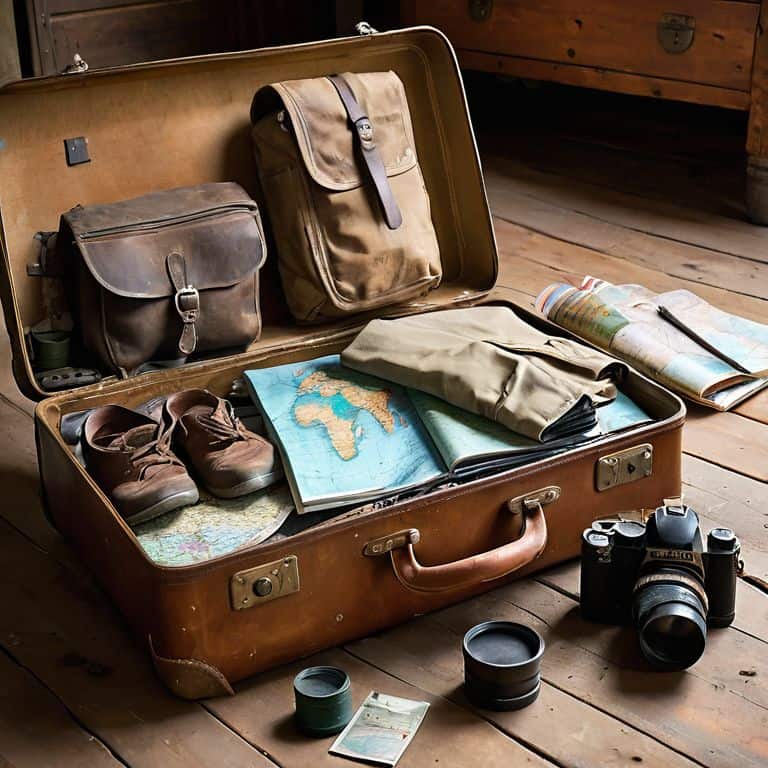
- Map and Guidebook (detailed map of the safari area, guidebook with information on wildlife and safety)
Step-by-Step Instructions
- 1. First, let’s talk about the essentials: when it comes to packing for a safari in Africa, you’ll want to prioritize comfort and practicality. I always start with a good pair of hiking boots, as they’ll be your best friend on those long game drives and bush walks. Look for waterproof and breathable materials, and don’t forget to break them in before your trip to avoid any blisters or discomfort.
- 2. Next, I recommend packing lightweight and neutral-colored clothing that can be easily mixed and matched. Avoid bright colors or bold patterns, as they can attract unwanted attention from the wildlife. Opt for breathable fabrics like cotton, linen, or moisture-wicking synthetics, and consider packing a few quick-drying shirts and pants for those hot days on the savannah.
- 3. Now, let’s not forget about the photography gear: as a travel photographer, I always bring my camera equipment with me on safari. A good telephoto lens is a must-have for capturing those stunning wildlife shots, and don’t forget to pack extra batteries, memory cards, and a portable charger. If you’re feeling adventurous, consider bringing a drone to capture some aerial footage of the stunning African landscapes.
- 4. When it comes to personal care items, it’s all about keeping things simple and compact. Pack a small toiletry bag with essentials like toothbrush, toothpaste, and any medications you may need. Don’t forget to bring sunscreen and a hat to protect yourself from the harsh African sun, and consider packing a small first-aid kit with basics like band-aids and antiseptic wipes.
- 5. For those chilly evenings around the campfire, I recommend packing a warm layer like a fleece jacket or a lightweight blanket. It’s also a good idea to bring a small power bank to keep your devices charged, especially if you’re planning on taking plenty of photos or videos during your trip.
- 6. In terms of safari-specific gear, you may want to consider packing a pair of binoculars for spotting wildlife, as well as a small spotting scope for getting a closer look at those hard-to-reach animals. Don’t forget to bring a water bottle or hydration pack to stay hydrated during your game drives, and consider packing a small snack bag with energy-rich snacks like nuts or dried fruit.
- 7. Finally, let’s talk about documents and paperwork: make sure you have all the necessary travel documents like your passport, visa, and travel insurance papers. It’s also a good idea to bring a small daypack with essentials like your camera, water, and snacks, and consider making digital copies of your important documents in case of an emergency.
Pack Smart for Africa
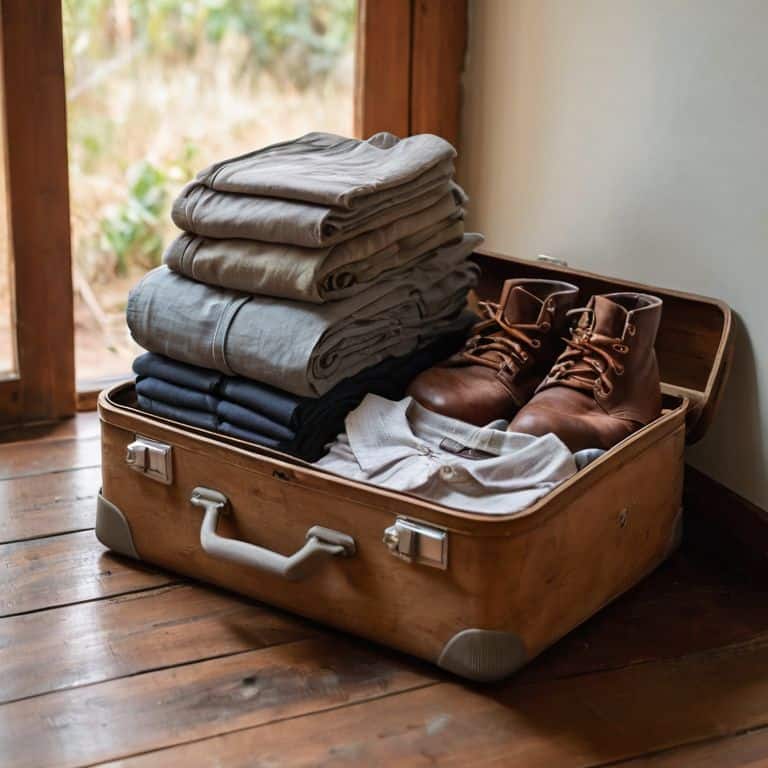
When it comes to packing for an African safari, packing smart is essential. This means considering the time of year you’re traveling and the activities you’ll be doing. For example, if you’re going on a summer safari, lightweight and breathable clothing is a must. Look for clothing with built-in UV protection and moisture-wicking fabrics to keep you cool and comfortable.
In addition to clothing, it’s also important to think about safari safety equipment. This can include things like a first aid kit, a fire extinguisher, and a emergency whistle. It’s also a good idea to pack a portable charger for your phone or camera, as you’ll likely be taking plenty of photos and videos. When it comes to camera gear, consider bringing a telephoto lens and a tripod to help you capture stunning wildlife photos.
To make the most of your safari experience, it’s also important to consider africa safari trip planning tips. This can include things like booking your accommodations and tours in advance, and researching the best times of day to go on safari. By planning ahead and packing smart, you can ensure a safe and enjoyable trip. Remember to check with your airline for safari luggage restrictions before you leave, and pack accordingly to avoid any issues.
Best Camera Gear for Stunning Shots
As a travel photographer, my camera gear is my lifeline. For stunning safari shots, I swear by my trusty DSLR and a versatile 100-400mm lens. It’s perfect for capturing those epic wildlife moments from a safe distance. I also never leave without my drone – the aerial footage it provides is simply breathtaking. And let’s not forget about the golden hour – a polarizing filter can make all the difference in enhancing those warm, sunset tones.
I’ve experimented with various camera bodies and lenses, but for Africa, I recommend keeping it simple and lightweight. A 24-70mm lens is great for landscapes and camp life, while a 50mm lens is ideal for portrait shots of the locals or your fellow travelers. Don’t forget extra batteries, memory cards, and a portable power bank to keep your gear charged on the go.
Safari Clothing Essentials Revealed
When it comes to safari clothing, I’ve learned that functionality and comfort are key. As a photographer, I need to be able to move freely and quickly to capture the perfect shot. I swear by lightweight, breathable fabrics like cotton, linen, or moisture-wicking synthetics. Earthy tones are also a must – think olive green, beige, and khaki – as they help you blend in with the surroundings.
My go-to essentials include a pair of sturdy trousers, a few moisture-wicking tops, and a lightweight jacket for cooler mornings and evenings. Don’t forget a good pair of hiking boots or shoes with decent grip – trust me, you’ll need them for those early morning game drives or treks through the bush.
Safari Essentials: 5 Key Tips to Pack Like a Pro
- Bring a portable power bank to keep your camera and phone charged throughout the day
- Invest in a good pair of binoculars for closer wildlife viewing and capturing stunning photos
- Pack lightweight and breathable clothing with built-in insect repellent for comfort and protection
- Don’t forget a waterproof bag to protect your gear from unexpected rain showers or water crossings
- Include a polarizing filter in your camera kit to reduce glare and enhance the colors of the African landscape
Safari Essentials: 3 Key Takeaways
Pack versatile, neutral-colored clothing that can withstand the rugged African terrain and double as a great backdrop for your safari photos
Bring a high-quality camera with a good zoom lens and consider investing in a portable power bank to keep your devices charged throughout the day
Don’t forget to capture stunning aerial shots with a drone and take advantage of the golden hour for truly unforgettable photos that will make your safari adventure go viral on social media
Packing Wisdom
The right pack is not just about what you bring, it’s about what you leave behind – the clutter, the distractions, and the doubts; with every safari, I’m reminded that the greatest shots are often found in the simplest of moments, and the lightest of bags.
Liam Harrison
Safari Ready: The Final Check
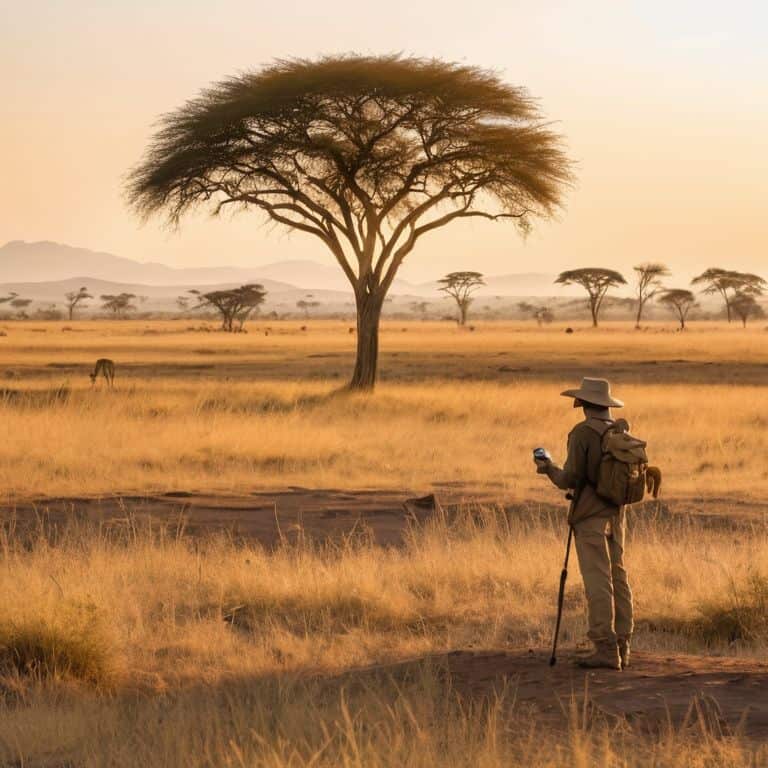
As I reflect on my own safari adventures, I realize that packing smart is just the beginning. To capture the essence of Africa’s breathtaking landscapes and incredible wildlife, you need to combine the right gear with a sense of adventure and a keen eye for photography. I’ve shared my safari essentials with you, from comfortable clothing to the best camera equipment, and I hope you’re now feeling more confident and prepared for your own journey. Whether you’re a seasoned traveler or embarking on your first safari, remember that the key to a successful trip is to be flexible and spontaneous.
As you embark on your African safari, I want to leave you with a final thought: the journey is just as important as the destination. Don’t just focus on checking off your bucket list; take time to soak in the stunning vistas, immerse yourself in local cultures, and appreciate the incredible beauty of the African wilderness. With the right mindset and gear, you’ll be well on your way to creating unforgettable memories and capturing picture-perfect moments that will inspire others to follow in your footsteps.
Frequently Asked Questions
What are the best types of clothing to pack for a safari in Africa to protect against the sun and insects?
Dress to impress, and protect! For a safari in Africa, I swear by lightweight, neutral-toned clothing with built-in UPF protection – it’s a game-changer against the harsh sun. And, trust me, insect-repellent gear is a must to keep those pesky mosquitoes at bay. Think breathable fabrics, long-sleeved shirts, and pants that can convert into shorts for maximum versatility.
How much camera equipment is too much to bring on a safari, and what are the essentials for getting great shots?
Honestly, I’ve learned that less is more on a safari. I pack a solid camera body, a 24-70mm lens, and a portable charger. Anything more and you’re just weighing yourself down. Capture the essence, not the entire equipment store – trust me, your shots (and your back) will thank you!
Are there any specific packing restrictions or regulations I should be aware of when traveling to Africa for a safari?
When it comes to packing for an African safari, there are some key restrictions to keep in mind. Check with your airline for luggage size and weight limits, and be aware that some countries have specific rules around certain items, like drones or large camera equipment. Research your destination’s regulations to avoid any issues during your trip.