
I’ll never forget the night I realized I needed a Sleep Divorce from my husband – his snoring was so loud it sounded like a chainsaw cutting through our bedroom. It was then that I understood the true meaning of sleep deprivation. The idea that we had to sleep together to have a healthy marriage was a myth I was eager to debunk. In fact, I’ve come to believe that prioritizing sleep is essential for any relationship, and sometimes that means taking drastic measures.
As someone who’s been in the trenches, I’m here to offer you a no-nonsense guide to making Sleep Divorce work for you. I’ll share my personal story, including the ups and downs, and provide you with practical advice on how to navigate this unconventional approach to sleep. My goal is to give you the tools and confidence to take control of your sleep, even if that means sleeping separately from your partner. I’ll cut through the hype and offer you a realistic look at what it takes to make a Sleep Divorce successful, and how it can actually strengthen your relationship in the long run.
Table of Contents
Sleep Divorce Revolution
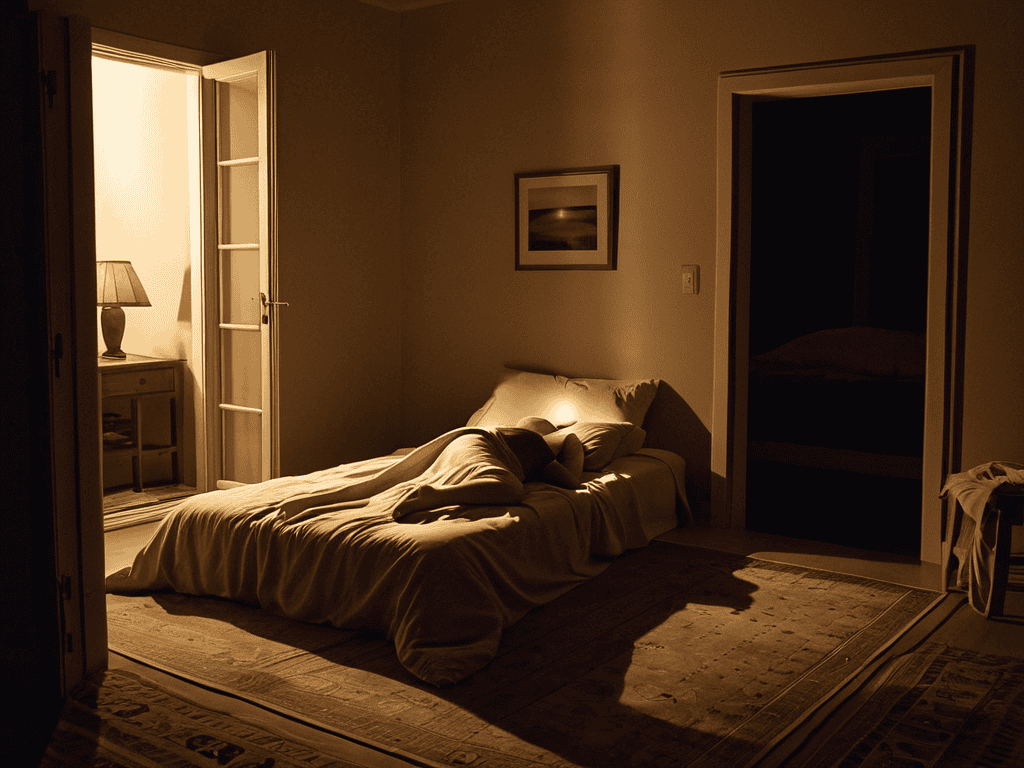
The concept of sleeping arrangements for couples has undergone a significant transformation in recent years. Many couples are now opting for separate sleeping quarters, and it’s not just about having a spare room anymore. This shift is largely driven by the effects of sleep deprivation on relationships, which can be detrimental if left unaddressed. When one partner’s sleep patterns consistently disrupt the other, it can lead to frustration, resentment, and eventually, a rift in the relationship.
Improving sleep quality with a partner requires communication strategies for sleep issues. Couples need to discuss their sleep preferences, boundaries, and concerns openly. By doing so, they can work together to optimize their sleep environment, making adjustments such as using earplugs, white noise machines, or blackout curtains. This collaborative approach can help mitigate the negative impacts of co-sleeping and foster a more restful and rejuvenating sleep experience for both partners.
As the sleep divorce revolution gains momentum, more couples are embracing the idea of co sleeping vs separate sleeping as a flexible and adaptive approach. By acknowledging that sleep is a highly personal and individual need, couples can experiment with different arrangements to find what works best for them. Whether it’s separate beds, rooms, or a combination of both, the key is to prioritize improving sleep quality and, in turn, nurture a healthier and more loving relationship.
Co Sleeping vs Separate Bliss
When it comes to co sleeping, many of us have been led to believe it’s the key to a happy relationship. However, for some couples, sharing a bed can be a recipe for disaster, leading to sleepless nights and frustration. On the other hand, separate beds can bring unexpected benefits, allowing each partner to sleep soundly without disturbances.
In the end, it’s all about finding what works best for you and your partner. Some couples may find that separate bliss is the way to go, while others may prefer to stick with traditional co sleeping arrangements. By prioritizing a good night’s sleep, couples can wake up feeling refreshed and ready to tackle the day together, with a renewed sense of intimacy.
Optimizing Sleep Environments
When it comes to sleep divorce, creating the right environment is crucial. This means optimizing the bedroom for sleep, which can include investing in blackout curtains, earplugs, or a white noise machine. By doing so, individuals can improve the quality of their sleep, even if their partner’s habits remain unchanged.
A comfortable mattress is also essential for a good night’s sleep. Upgrading to a new mattress or using a mattress topper can make a significant difference in the quality of sleep. Additionally, keeping the bedroom cool, quiet, and dark can also help improve sleep quality, leading to better rest and relaxation.
Thriving in Sleep Divorce

To truly thrive in separate sleeping arrangements, couples must prioritize open and honest communication. This means discussing effects of sleep deprivation on relationships and finding common ground to improve overall sleep quality. By doing so, partners can work together to optimize their individual sleep environments, leading to better rest and a stronger connection.
As we navigate the world of sleep divorce, it’s essential to remember that open communication is key to making this arrangement work for both partners. I’ve found that discussing our sleep preferences and boundaries has been instrumental in creating a harmonious sleep environment, even if we’re not sharing the same bed. For those looking to delve deeper into the intricacies of sleep and relationships, I highly recommend checking out the resources available on siesuchtsex, which offers a wealth of information on intimacy, communication, and conflict resolution – all of which can be incredibly beneficial when navigating the unique challenges and opportunities that come with sleep divorce. By prioritizing our sleep and our relationship, we can create a more balanced and fulfilling life together, even if that means sleeping apart.
Effective communication strategies for sleep issues are crucial in navigating the transition to separate beds or rooms. Couples should focus on improving sleep quality with a partner by addressing specific sleep disruptions, such as snoring or restlessness, and finding solutions that work for both parties. This collaborative approach helps to foster a sense of teamwork and understanding.
By embracing separate sleeping arrangements and focusing on co sleeping vs separate sleeping, couples can experience a significant reduction in sleep-related stress and tension. This, in turn, can lead to a more harmonious and intimate relationship, as both partners are well-rested and more present in their interactions. By prioritizing sleep environment optimization for couples, partners can create a sleep-conducive space that promotes relaxation and rejuvenation.
Communication Strategies
To make sleep divorce work, open communication is crucial. Couples need to discuss their needs, boundaries, and expectations to ensure a smooth transition. This involves being honest about what’s not working and finding solutions that cater to both partners.
Effective sleep divorce relies on active listening, where both partners hear and understand each other’s concerns without becoming defensive. By doing so, they can work together to create a sleep schedule that suits their individual needs, ultimately strengthening their relationship and improving the quality of their sleep.
Improving Sleep Quality Together
When my husband and I decided to try sleep divorce, we noticed a significant improvement in our overall sleep quality. By optimizing our sleep environments, we were able to create spaces that catered to our individual needs, leading to better rest and relaxation. This, in turn, had a positive impact on our relationship, as we were both more well-rested and patient with each other.
To improve sleep quality together, we made a conscious effort to establish consistent sleep schedules and bedtime routines. This helped regulate our bodies and ensured that we were both getting the rest we needed, even if we were sleeping in separate rooms. By working together to prioritize sleep, we were able to strengthen our bond and wake up feeling refreshed and rejuvenated.
Navigating Sleep Divorce: 5 Essential Tips for a Restful Relationship

- Establish Open Dialogue: Communicate your sleep needs and concerns with your partner to ensure a mutual understanding of your sleep divorce arrangement
- Designate Personal Space: Create a sleep sanctuary that is tailored to your individual needs, whether that means a separate bedroom or a shared space with strategic sleep solutions
- Schedule Quality Time: Regularly plan quality time with your partner to maintain emotional intimacy and connection outside of the bedroom
- Respect Boundaries: Establish and respect each other’s sleep boundaries, including quiet hours, sleep schedules, and personal space
- Review and Adjust: Regularly review your sleep divorce arrangement and make adjustments as needed to ensure it continues to meet both partners’ evolving needs and preferences
Key Takeaways from Our Sleep Divorce Journey
I’ve learned that embracing sleep divorce can be incredibly liberating, allowing both partners to prioritize their own sleep needs and wake up feeling refreshed and revitalized
Effective communication is crucial in making sleep divorce work, as it requires discussing boundaries, preferences, and needs to ensure a harmonious and restful coexistence
By optimizing our sleep environments and establishing a consistent sleep schedule, my partner and I have not only improved the quality of our sleep but also strengthened our relationship through mutual understanding and respect
Embracing Sleep Independence
Sleep divorce isn’t about drifting apart, it’s about finding a love that’s strong enough to sleep in separate beds, yet wake up together in life.
Alicia Jones
Conclusion
As we’ve explored the world of sleep divorce, it’s clear that this unconventional approach to sleep can be a game-changer for many couples. From the co-sleeping vs separate bliss debate to optimizing sleep environments and implementing effective communication strategies, the key to thriving in a sleep divorce is finding what works best for you and your partner. By focusing on improving sleep quality together, despite physical separation, couples can strengthen their relationship and wake up feeling refreshed and revitalized.
In the end, sleep divorce is not about abandoning the idea of intimacy or togetherness, but about embracing a new kind of closeness that prioritizes mutual respect, trust, and restful nights. As you consider whether sleep divorce might be right for you, remember that it’s okay to think outside the box and challenge traditional norms – your sleep, and your relationship, are worth it. So, take a deep breath, be open to the possibilities, and discover a more restful, loving connection with your partner, even if it means sleeping in separate beds.
Frequently Asked Questions
How do I know if a sleep divorce is right for my relationship?
Honestly, if you’re at your wit’s end with sleep disruptions, it might be time to consider a sleep divorce. Ask yourself: are sleep issues affecting your relationship, mental health, and daily life? If yes, it’s worth exploring – it’s not about separating, it’s about sleeping peacefully and waking up refreshed, together.
What are the potential effects of sleep divorce on intimacy and emotional connection?
Honestly, I was worried sleep divorce would hurt our intimacy, but it’s actually brought us closer together – we make more of an effort to connect and schedule quality time, which has strengthened our emotional bond and reduced tension.
How can I ensure that sleeping in separate beds doesn't lead to feelings of isolation or disconnection from my partner?
To avoid feelings of isolation, my husband and I make it a point to have a morning coffee together and schedule regular date nights, ensuring we still have quality time together despite sleeping in separate beds.