I still remember the first time I tried to meditate – I was a competitive gymnast, and my coach thought it would help me _calm my nerves_ before competitions. But let’s be real, sitting still and focusing on my breath was not exactly my thing. Fast forward to today, and I’m obsessed with finding out if the latest tech trends can actually help me chill out and meditate like a pro. The question on everyone’s mind is, can technology make you better at meditating? I’ve tried it all – from meditation apps to brain-sensing headbands – and I’m here to give you the lowdown on what actually works.
As someone who’s always on the lookout for ways to _optimize my performance_, I’m excited to share my honest, no-nonsense take on the intersection of tech and meditation. In this article, I’ll be diving into the world of AI-powered meditation tools, and exploring whether they can really help you become a meditation ninja. I’ll be sharing my personal experiences, as well as the _latest research_ on the topic, to give you a clear understanding of what to expect from these innovative tools. So, if you’re ready to cut through the hype and get to the bottom of whether technology can actually improve your meditation practice, then keep reading – I’ve got you covered.
Table of Contents
Tech Boosts Meditation
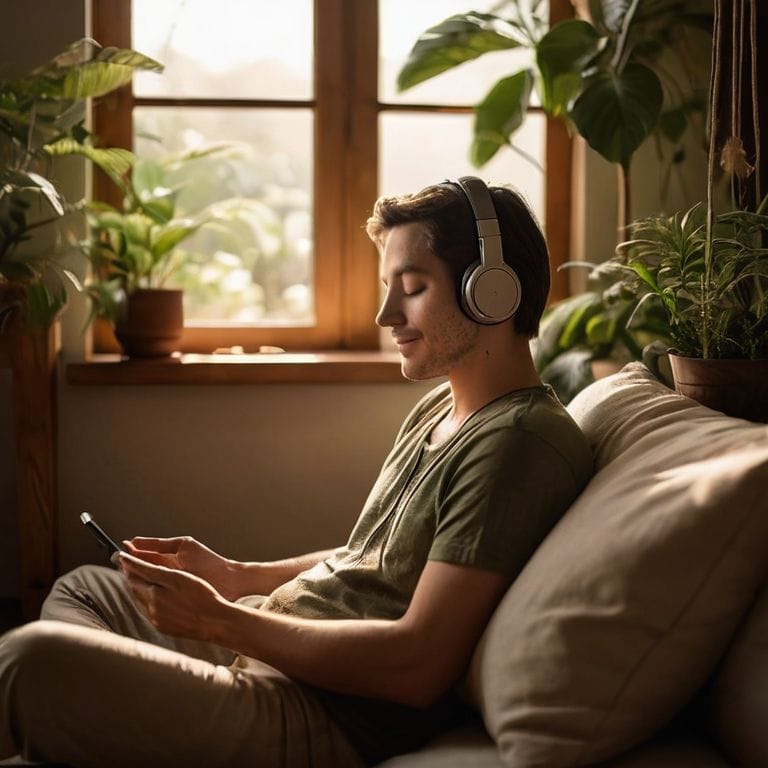
As I delved into the world of meditation, I discovered that brain wave entrainment techniques can be a total game-changer. These techniques use sound or light to stimulate the brain, helping to induce a meditative state. I was skeptical at first, but after trying it out, I found that it really helped me to relax and focus. I used a mindfulness app for beginners that guided me through the process, and it was surprisingly effective.
I also experimented with meditation tracking devices, which allowed me to monitor my progress and stay motivated. These devices use electroencephalography to track brain activity, providing valuable insights into my meditation practice. I found it fascinating to see how my brain waves changed over time, and it helped me to adjust my technique for better results.
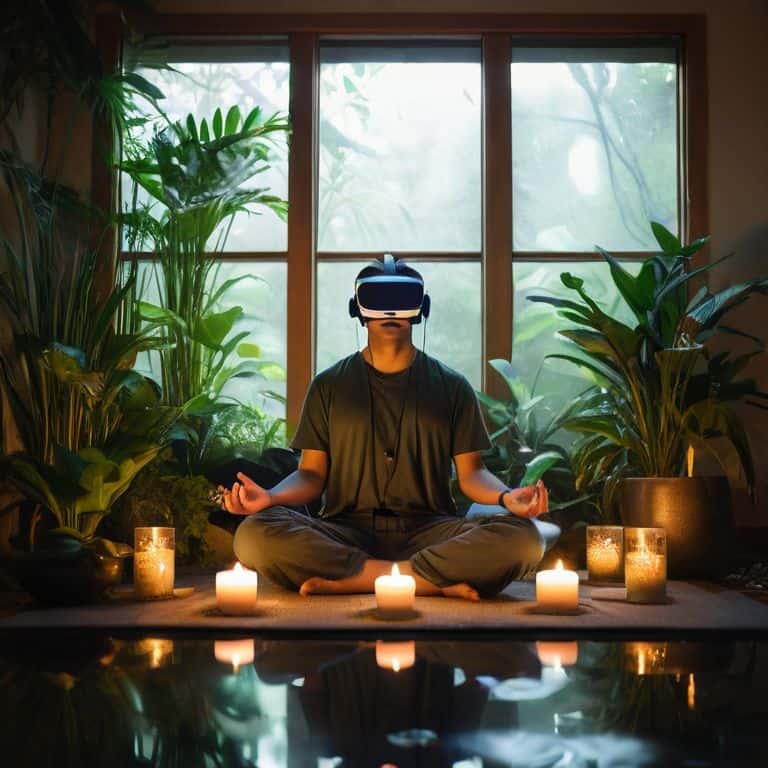
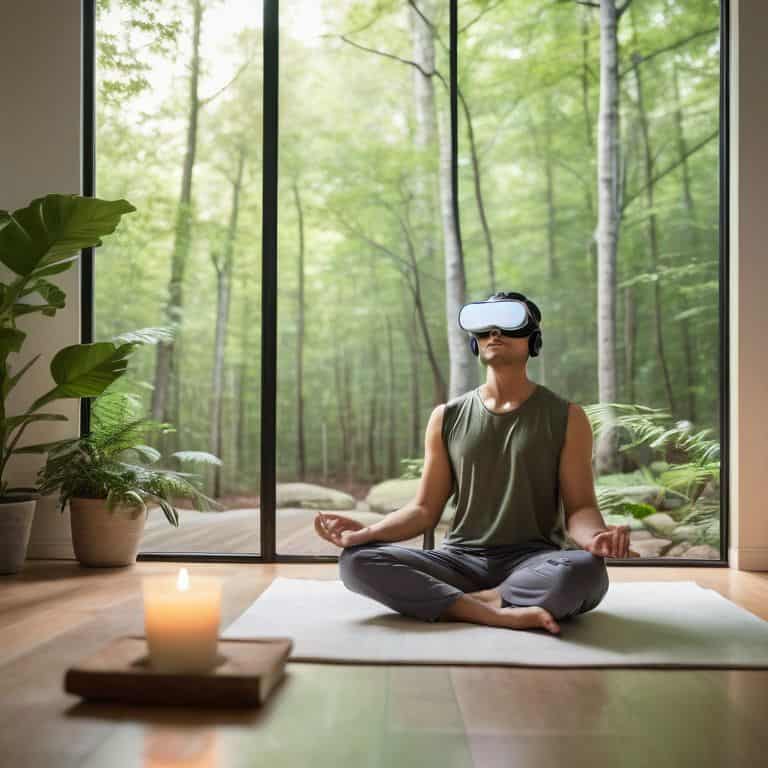
One of the most exciting technologies I’ve tried is virtual reality meditation experiences. It’s like being transported to a peaceful world, where you can let go of all your worries and simply be. The immersive experience was incredibly powerful, and I felt like I was able to tap into a deeper state of mindfulness than ever before.
Brain Wave Entrainment Hacks
I’ve been experimenting with brain wave entrainment to enhance my meditation sessions, and the results are fascinating. By using specific sound frequencies, I can induce a deeper state of relaxation and focus. This technique has allowed me to quiet my mind and access a more meditative state with ease.
My favorite hack is using binaural beats to synchronize my brain waves with the desired frequency. I’ve noticed a significant improvement in my ability to concentrate and stay focused during meditation. The key is to find the right frequency range that works for you, and then use it consistently to train your brain.
Mindfulness Apps for Beginners
As a beginner, diving into meditation can be overwhelming, which is why I’m a huge fan of mindfulness apps that guide you through the process. These apps offer a gentle introduction to meditation, helping you build a consistent practice. I’ve tried a few, and I must say, they’re a great way to get started.
I’ve found that using guided meditations has been a game-changer for me, especially when I’m feeling stressed or anxious. These meditations walk you through breathing exercises, body scans, and other techniques to help you relax and focus. They’re perfect for those new to meditation, as they provide a clear structure and help you stay on track.
Can Tech Make You Meditate Better
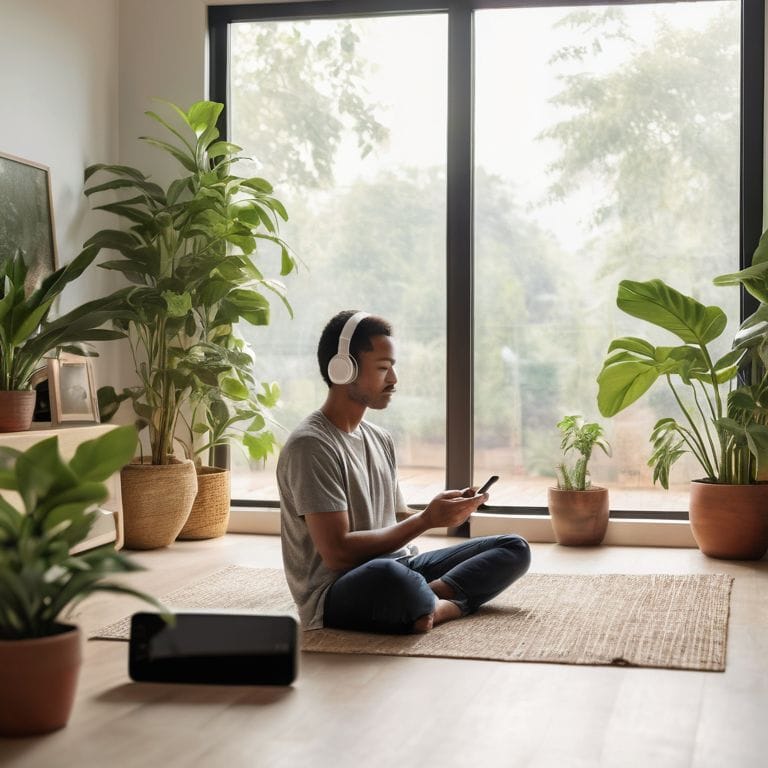
As I dive deeper into the world of meditation, I’m fascinated by the potential of mindfulness apps for beginners to make a real impact. These apps offer guided meditations, tracking features, and reminders to help users establish a consistent practice. I’ve been experimenting with a few of these apps, and I’m impressed by how they’ve helped me stay on track. For instance, I’ve noticed that using an app with brain wave entrainment techniques has allowed me to reach a deeper state of relaxation more quickly.
One of the most exciting developments in meditation technology is the use of electroencephalography for mindfulness. This technology allows users to track their brain activity in real-time, providing valuable insights into their meditation practice. I’ve been using a device that utilizes electroencephalography, and it’s been incredible to see how my brain responds to different meditation techniques. For example, I’ve noticed that my brain waves slow down significantly when I’m using artificial intelligence guided meditation, indicating a deeper state of relaxation.
I’m also intrigued by the potential of virtual reality meditation experiences to create immersive and engaging meditation environments. These experiences can transport users to serene landscapes, helping them to focus and calm their minds. As someone who’s always looking to push the boundaries of human performance, I’m excited to explore the possibilities of virtual reality meditation and see how it can enhance my practice. By combining these technologies with traditional meditation techniques, I believe it’s possible to create a truly optimal meditation experience.
Ai Guided Meditation Fact or Fiction
I’ve been experimenting with AI guided meditation, and I have to say, it’s been a game-changer for my personal practice. The idea is that artificial intelligence can create personalized meditation sessions based on your brain waves, mood, and goals. I’ve tried a few different AI-powered meditation apps, and while some of them feel like they’re just reading from a script, others seem to really understand what I need to relax and focus.
The key to success lies in the algorithms used to create these personalized sessions. When done correctly, AI guided meditation can help you achieve a deeper state of relaxation and reduce stress. I’ve seen some impressive results in my own data, and I’m excited to continue exploring the possibilities of this technology.
Vr Experiences for Zen Masters
I’ve been experimenting with immersive meditation using VR, and I’m excited to share my findings. By transporting myself to serene environments, I’ve noticed a significant reduction in mind wandering and an increase in focus. The immersive experience helps me stay present and engaged, even during longer meditation sessions.
My favorite part about VR meditation is the ability to track progress in real-time. With the help of VR technology, I can monitor my brain activity, heart rate, and other vital signs, allowing me to adjust my meditation technique for better results. This data-driven approach has taken my meditation practice to the next level, and I’m eager to see how others can benefit from it.
5 Ways Tech Can Turbocharge Your Meditation
- I use brain wave entrainment apps to sync my brain with soothing sounds and get into a meditative state faster
- I’ve started tracking my meditation progress with wearable devices that monitor my heart rate and brain activity to see what works
- I’m obsessed with AI-guided meditation platforms that offer personalized sessions based on my mood, goals, and schedule
- I’ve experimented with VR meditation experiences that transport me to serene environments and help me focus
- I’ve even used neurofeedback tools to monitor my brain activity during meditation and adjust my technique for better results
My Top 3 Takeaways on Tech-Boosted Meditation
I’ve found that the right mindfulness apps can be a total game-changer for beginners, helping you establish a consistent meditation practice and track your progress over time
Brain wave entrainment hacks, such as binaural beats and isochronic tones, can actually alter your brain’s frequency to induce a meditative state – and I’ve seen some wild results from experimenting with these techniques myself
AI-guided meditation and VR experiences are no longer just science fiction – they’re real, they’re effective, and they can take your meditation practice to a whole new level of depth and immersion, as I’ve discovered through my own experimentation with these cutting-edge technologies
The Future of Focus
I’m convinced that the right tech can transform your meditation practice from meh to mesmerizing – it’s not about replacing the human touch, but about amplifying your ability to chill out, focus, and unlock your full potential.
Sloane Knight
Mindful Tech: The Future of Meditation
As I wrap up my experiment with tech-enhanced meditation, I’m excited to report that the results are in: mindfulness apps, brain wave entrainment, and even AI-guided meditation can indeed make a significant difference in your practice. From the beginner-friendly mindfulness apps to the more advanced VR experiences, it’s clear that technology can be a powerful tool for improving focus, reducing stress, and increasing overall well-being. Whether you’re a seasoned meditator or just starting out, there’s never been a better time to explore the intersection of tech and mindfulness.
So, what’s the takeaway from all this? For me, it’s that the future of meditation is bright and bold, full of innovative solutions and cutting-edge tech that can help us unlock our full potential. As someone who’s passionate about optimizing human performance, I’m thrilled to see where this journey takes us – and I invite you to join me on this exciting adventure, as we push the boundaries of what’s possible and discover new ways to upgrade our minds, bodies, and spirits.
Frequently Asked Questions
Can using mindfulness apps regularly actually reduce stress and anxiety in the long term?
I’ve put mindfulness apps to the test, tracking my stress and anxiety levels over months. The data says yes, regular use can lead to significant reductions in stress and anxiety – I’ve seen it in my own numbers, with apps like Headspace and Calm being total game-changers for my mental clarity.
How does brain wave entrainment technology compare to traditional meditation methods in terms of effectiveness?
I’ve experimented with both, and I have to say, brain wave entrainment tech gives me a similar zen state as traditional meditation, but faster – we’re talking 10 minutes vs 30. The key is finding the right frequency for your brain, and I’ve seen some crazy-effective results with binaural beats and isochronic tones.
Are there any potential drawbacks or risks to relying on AI-guided meditation or VR experiences for my mindfulness practice?
Honestly, I’ve found that over-reliance on AI-guided meditation can lead to a lack of personal connection with your practice, and VR experiences can be distracting if not used mindfully. It’s essential to strike a balance and not forget the human touch in your mindfulness journey.