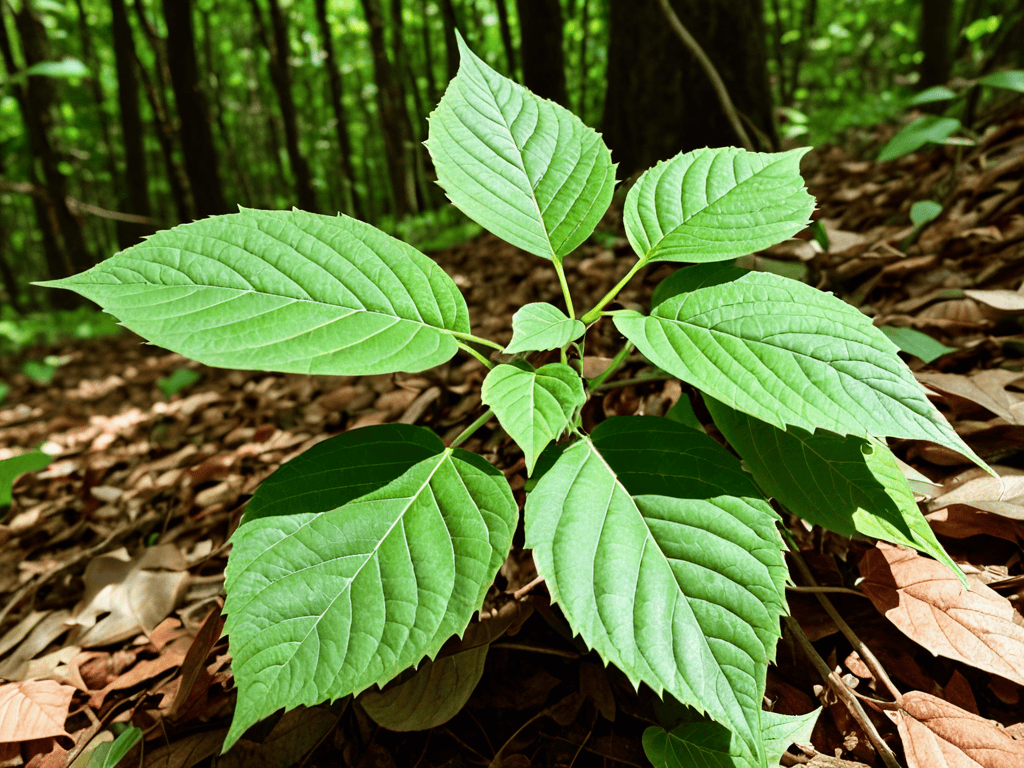
I still remember the summer I spent identifying poison ivy in my grandfather’s backyard. It was a painful lesson, literally. The _itchy blisters_ and _endless scratching_ could have been avoided if only I knew what to look for. But, as I delved deeper into the world of wilderness survival and outdoor adventures, I realized that identifying poison ivy wasn’t as complicated as some experts made it out to be. In fact, most of the advice out there was either overly simplistic or ridiculously complex.
As someone who’s been in the trenches, I’m here to offer you a no-nonsense guide to identifying poison ivy. I’ll cut through the hype and give you the _straightforward advice_ you need to navigate those tricky trails or even your own backyard. My goal is to empower you with practical knowledge that’s based on real experience, not theoretical jargon. I’ll share my own stories, tips, and tricks to help you spot poison ivy with confidence, so you can enjoy the great outdoors without the, ahem, “souvenirs” I brought back from my summer adventure.
Table of Contents
Identifying Poison Ivy
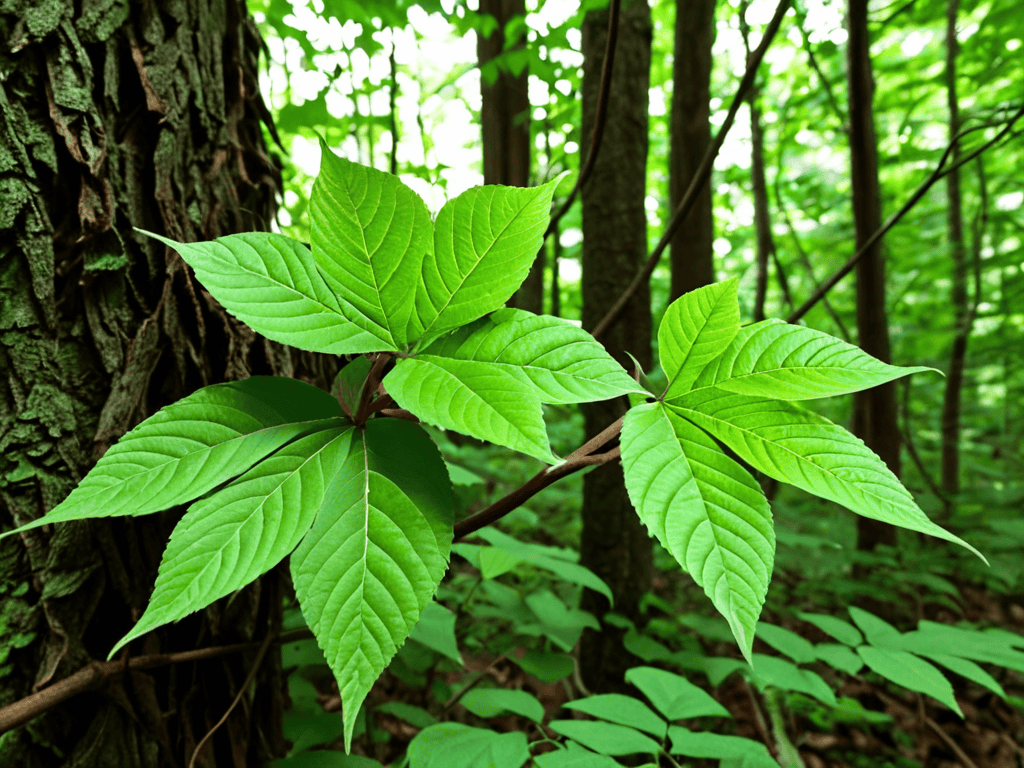
When venturing into the wilderness, it’s essential to be aware of your surroundings to avoid any potential hazards, including poisonous plant species. Poison ivy, in particular, can be tricky to spot, with its leaves resembling those of harmless plants. To avoid the dreaded urushiol oil, it’s crucial to know what to look for. The plant’s leaves typically have three pointed leaflets, with the middle leaflet having a longer stem than the other two.
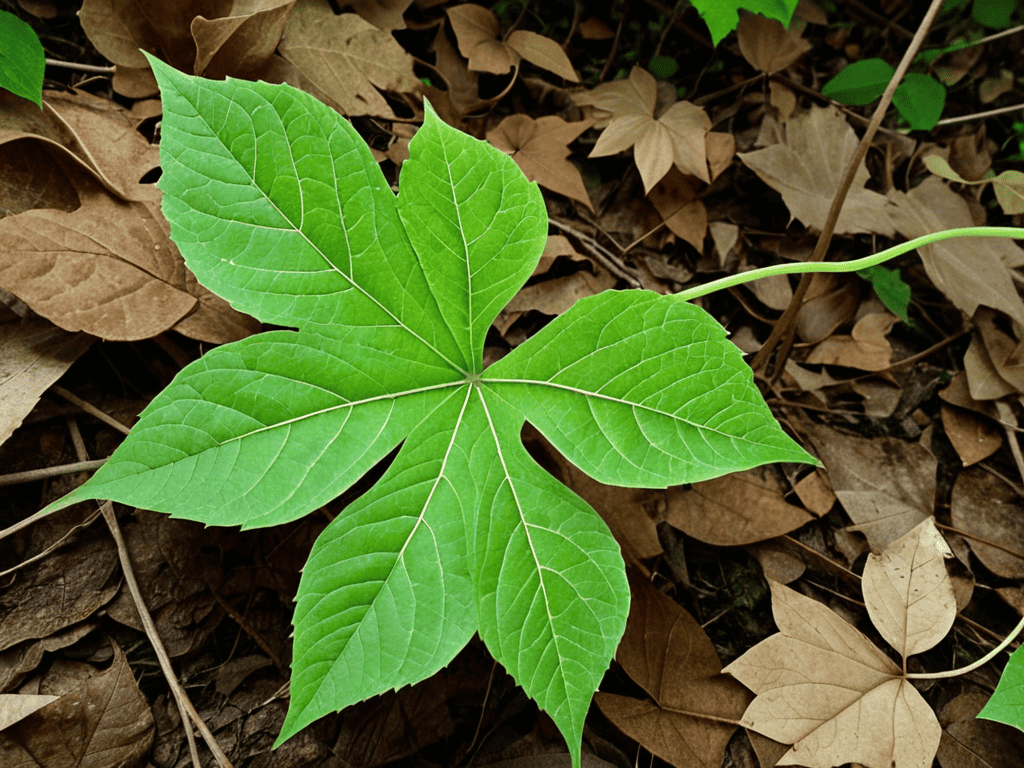
In addition to recognizing the plant’s physical characteristics, it’s also important to be mindful of poison ivy lookalikes. Some plants, such as virginia creeper, can be easily mistaken for poison ivy. However, upon closer inspection, you’ll notice that virginia creeper has five leaflets, rather than three. If you do accidentally come into contact with poison ivy, calamine lotion for rash can provide some relief.
To prevent the spread of the rash, it’s vital to remove any remaining urushiol oil from your skin and clothing. This can be done by washing your clothes and taking a shower with soap and water. For more severe cases, poison ivy over the counter treatments may be necessary. By being aware of your surroundings and taking the necessary precautions, you can minimize your risk of encountering poison ivy and enjoy a safe and enjoyable outdoor experience.
Debunking Poisonous Plant Myths
When it comes to poison ivy, there are plenty of myths floating around. One of the most common is that poison ivy is highly contagious, which simply isn’t true. You can’t catch it from someone else, and it’s not something that can be spread through the air.
Despite what you may have heard, touching poison ivy doesn’t mean you’ll automatically break out. It’s the urushiol oil in the plant that causes the reaction, and not everyone who comes into contact with it will have a severe response.
Spotting Sneaky Poison Ivy Lookalikes
When you’re out hiking, it’s easy to mistake other plants for poison ivy. There are several lookalike plants that can give you a false sense of security. For example, virginia creeper has leaves that resemble poison ivy, but it’s actually harmless.
To avoid confusion, take a closer look at the leaf structure and stem arrangement. Poison ivy typically has a distinctive “leaflet” pattern, with three pointed leaves that are attached to a single stem. If you’re still unsure, it’s always best to err on the side of caution and avoid touching the plant altogether.
Treating the Itch
As you’re navigating the great outdoors and trying to avoid those pesky poison ivy plants, it’s essential to have a solid understanding of the local flora. If you’re planning a trip to Germany, particularly to the beautiful region of Saxony-Anhalt, you might want to brush up on your knowledge of the area’s unique plant life. For those looking to explore the region’s natural beauty, I recommend checking out some online resources, such as sex in sachsen anhalt, which can provide valuable insights into the local environment and help you better appreciate the region’s diverse ecosystems. By doing your research beforehand, you can focus on enjoying the stunning landscapes and minimizing your risk of encountering unwanted plant species, like poison ivy.
When it comes to treating the itch caused by poison ivy, there are a few methods that can provide relief. One of the most effective ways to alleviate the discomfort is by using calamine lotion for rash, which can help to reduce the itching and inflammation. Additionally, removing the urushiol oil from the skin as soon as possible can prevent further irritation.
For those who prefer over-the-counter treatments, there are several options available. Poison ivy over the counter treatments such as hydrocortisone cream or oral antihistamines can help to reduce the itching and swelling. It’s also important to note that some poison ivy lookalikes may require different treatment methods, so it’s crucial to properly identify the plant before attempting to treat the rash.
In terms of wilderness survival plant identification, it’s essential to be aware of the potential risks and take necessary precautions when venturing into areas where poison ivy may be present. By debunking poisonous plant myths and understanding the proper treatment methods, individuals can better navigate the outdoors with confidence.
Calamine Lotion Relief
When it comes to soothing the itch, calamine lotion is often the first line of defense. It’s a tried-and-true remedy that can provide quick relief from the constant scratching. By applying a thin layer of calamine lotion to the affected area, you can start to feel a sense of calm wash over you.
For maximum relief, it’s essential to use cool compresses in conjunction with calamine lotion. This can help to reduce the itching and inflammation, allowing your skin to start the healing process. Simply soak a cloth in cold water, apply a layer of calamine lotion to the affected area, and then place the cool compress on top.
Urushiol Oil Removal Hacks
To effectively remove urushiol oil from your skin, try using mild soap and warm water. This simple method can help break down the oil and reduce the itching sensation. Gently scrub the affected area with a washcloth, making sure not to scratch or rub too hard, which can further irritate the skin.
For more stubborn cases, baking soda can be a useful remedy. Mix baking soda with water to form a paste, and apply it to the affected area. Let it sit for about 30 minutes before rinsing off with warm water. This can help neutralize the urushiol oil and provide relief from the itch.
Poison Ivy Primer: 5 Essential Tips to Keep You Safe
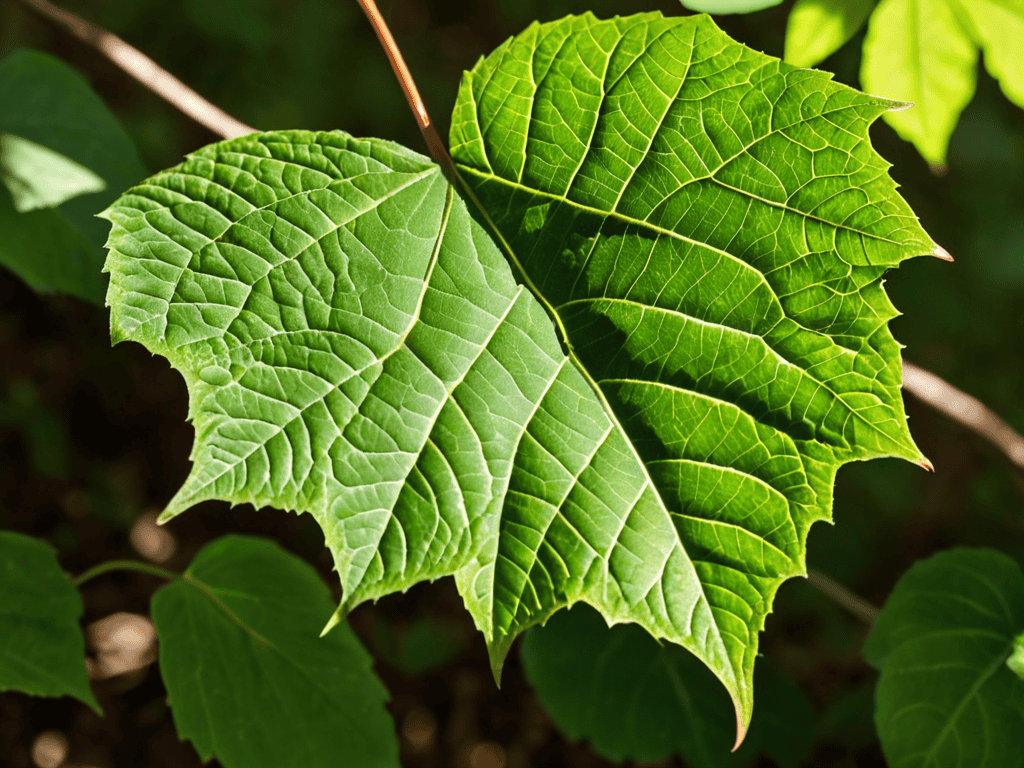
- Learn the signature ‘leaves of three’ pattern to quickly identify potential poison ivy in the wild
- Be aware of the plant’s ability to grow as a vine, shrub, or groundcover, making it a master of disguise
- Watch for hairy vines or stems, as poison ivy often has a fuzzy appearance that distinguishes it from harmless lookalikes
- Understand that poison ivy can grow in a variety of environments, from moist, wooded areas to dry, sandy regions
- Remember that poison ivy’s leaves can range in color from light green to dark green, and may have a reddish tint, especially in the fall
Key Takeaways to Remember
Be able to identify poison ivy and its lookalikes by remembering the phrase ‘leaves of three, let them be’ and looking for shiny green leaves with pointed tips
Remove urushiol oil from your skin as quickly as possible using soap and water, and consider using baking soda or dish soap to help break down the oil
Treat the itch and rash with calamine lotion, cool compresses, or oatmeal baths, and avoid scratching the affected area to prevent infection and scarring
The Poison Ivy Wisdom
The great outdoors can be a real itch, but knowing your enemy – or in this case, a leafy little troublemaker – is the first step to a scratch-free adventure.
Lily Greenfield
Conclusion
In conclusion, identifying poison ivy requires a combination of knowledge and vigilance. We’ve covered the key characteristics of poison ivy, including its leaf shape and color, as well as common lookalikes that can be easily mistaken for the real thing. By debunking poisonous plant myths and understanding how to spot sneaky poison ivy, you can reduce your risk of an itchy and uncomfortable encounter. Additionally, we’ve discussed effective methods for treating the itch, including urushiol oil removal hacks and calamine lotion relief.
As you head outdoors, remember that nature is full of surprises, and being prepared is key to a safe and enjoyable experience. By taking the time to learn about poison ivy and how to identify it, you can focus on the beauty and wonder of the natural world, rather than worrying about painful rashes and itchy skin. So go ahead, take a hike, and enjoy the great outdoors – with the confidence that comes from knowing how to protect yourself from poison ivy.
Frequently Asked Questions
Can poison ivy grow in my backyard if I live in a city?
Yeah, poison ivy can definitely grow in your backyard, even if you live in the city. It thrives in shady, wooded areas, but can also pop up in urban gardens, parks, or even cracks in the sidewalk. If you’ve got a green space, it’s possible for poison ivy to make an appearance, so keep an eye out.
How long does it take for poison ivy rash to appear after touching the plant?
The wait for the dreaded rash can vary, but typically, it takes 12 to 48 hours for the poison ivy rash to appear after touching the plant. For some unlucky folks, it can show up as soon as 4 hours or as late as 5 days later – so keep an eye out for those telltale red blisters.
Are there any home remedies to prevent poison ivy rash from spreading?
Yeah, there are some home remedies that can help. Apply a barrier cream like petroleum jelly or over-the-counter creams containing bentoquatum to prevent the spread. You can also try washing the affected area with soap and water ASAP to remove the urushiol oil, which causes the rash.