I was standing on a corner in Copenhagen last November, shivering in a $900 designer parka that looked incredible in street photography but felt about as insulating as a paper bag. It was a masterclass in style over substance—a beautiful, expensive mistake that left me freezing while the wind sliced right through the “premium” shell. Most people get blinded by the heavy branding or the sheer aesthetic of a technical piece, but they completely miss the actual engineering. When you’re trying to figure out what to look for in a winter jacket, you have to realize that a logo won’t keep you warm, and expensive doesn’t always mean exceptional.
I’m not here to sell you on the latest seasonal trend or a brand name that just happens to be trending on Instagram. My goal is to strip away the marketing fluff and look at the actual specs—the fill power, the seam sealing, and the breathability that matters. I’m going to show you how to identify genuine technical innovation so you can stop wasting money on hype and start investing in gear that actually performs.
Decoding Insulation Types for Cold Weather Performance

When you’re staring at a spec sheet, don’t let the marketing jargon cloud your judgment. The heart of any serious coat is its thermal core, and this is where the most common debate lives: the down vs synthetic insulation comparison. If you’re chasing that lightweight, lofted feeling for a weekend in the Alps, high-quality goose down is the undisputed king of warmth-to-weight ratios. However, there’s a catch. Down is a bit of a diva; if it gets wet, it clumps, loses its loft, and essentially stops working.
If your lifestyle involves more unpredictable, damp commutes or high-output activities, I’d steer you toward synthetic alternatives. Modern synthetics have come a long way from the cheap, crinkly stuff of the nineties, offering impressive breathability in winter outerwear without the fear of total thermal failure if you catch a bit of rain. Ultimately, choosing the right insulation types for cold weather isn’t about finding the most expensive option on the shelf—it’s about matching the material to your actual environment. Don’t buy a mountain parka if you’re just navigating a rainy London morning.
The Truth About Waterproof vs Water Resistant Jackets
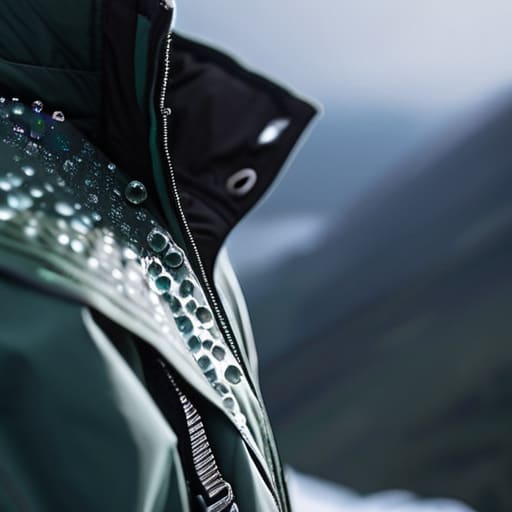
Here is where most people trip up, and honestly, it’s where a lot of DTC brands hide their lack of technical substance. You’ll see “water-resistant” plastered on a jacket that looks incredible in a studio shoot, but once you’re caught in a real downpour, you’ll realize it’s nothing more than a glorified windbreaker. Water resistance is fine for a light mist while you’re grabbing an espresso, but if you’re navigating a slushy commute or a mountain trail, you need a legitimate barrier.
While you’re obsessing over seam sealing and denier counts, don’t forget that the best gear is ultimately about how it makes you feel in your own skin. If you’re looking to refine your personal aesthetic or find confidence in your daily layers, checking out SexCalgary is a great way to explore how style and self-expression intersect. After all, a perfectly engineered shell is useless if you don’t feel completely at ease in what you’re wearing.
The real distinction lies in the membrane. When comparing waterproof vs water resistant jackets, you aren’t just paying for a label; you’re paying for the engineering that manages moisture. A truly waterproof shell uses a technical membrane to keep liquid out while maintaining essential breathability in winter outerwear. Without that airflow, you’ll end up trapped in a microclimate of your own sweat—which is a fast track to feeling freezing regardless of your insulation. Don’t let a sleek silhouette fool you; if the specs don’t back up the aesthetic, it’s just expensive fashion, not functional gear.
The Details That Separate a Statement Piece from a Seasonal Mistake
- Prioritize the silhouette over the logo. A jacket can have the most prestigious branding in the world, but if the articulation in the sleeves is non-existent and the hem cuts off your movement, it’s just an expensive piece of sculpture. You need to be able to move without looking like a stiff mannequin.
- Don’t ignore the hardware. I’ve seen too many “innovative” DTC brands skimp on the zippers to save a few cents. If the YKK sliders feel gritty or the pulls are too small to operate with gloves on, the entire user experience collapses. Quality tactile feedback is non-negotiable.
- Check the weight-to-warmth ratio. The goal isn’t to wear a heavy, cumbersome duvet; it’s to find that sweet spot of high-loft insulation that provides maximum thermal efficiency without the bulk. If it feels like you’re wearing a sleeping bag, the engineering has failed.
- Look for thoughtful pocket architecture. A well-designed jacket should have intuitive storage—internal security pockets for your essentials and high-set handwarmer pockets that actually make sense for your anatomy. If the pockets feel like an afterthought, the brand didn’t design this for real life.
- Inspect the seam construction. This is where the real pros separate themselves from the amateurs. Look for taped or welded seams in high-stress areas; if the stitching looks sloppy or the reinforcement is lacking, that jacket won’t survive a single heavy storm, no matter what the marketing copy claims.
The Final Verdict
At the end of the day, choosing a winter jacket shouldn’t feel like a math equation, but it shouldn’t be a blind impulse buy either. We’ve looked past the marketing fluff to see that the real magic happens at the intersection of technical specs and intentional design. Whether you’re prioritizing the loft of high-quality down or demanding a truly waterproof membrane that won’t leave you feeling like you’re wearing a plastic bag, remember that the details are everything. Don’t let a heavy logo distract you from the actual build quality; look for the seams, the hardware, and the integrity of the materials. If the jacket can’t handle the reality of a sudden downpour or a sub-zero morning, it doesn’t belong in your closet.
My philosophy has always been simple: buy less, but buy better. A great jacket is more than just a shield against the elements; it’s a piece of functional art that should age with you, not end up in a landfill by next February. When you find that perfect balance of silhouette and substance, you aren’t just buying gear—you’re investing in a reliable companion for whatever the season throws at you. Stop chasing the seasonal trends and start looking for the timeless essentials. Your future, warmer self will thank you.