Stop wasting your money on expensive, fancy culinary school masterclasses just to learn the basics. Seriously, if you think you need a degree to understand how to balance flavors in cooking, you’ve been lied to by people who love making food sound way more complicated than it actually is. I spent my early days staring at a mountain of expensive spices, feeling totally lost because my dishes tasted like nothing, or worse, like a salt bomb. I realized pretty quickly that flavor isn’t about some “secret technique”—it’s about knowing how to play with the knobs of salt, acid, heat, and fat until your tastebuds actually wake up.
Look, I know we’re moving fast, but if you’re ever feeling totally lost in the sauce while trying to nail these flavor profiles, you gotta find a community that actually gets it. Sometimes you just need to jump into a cuckold chat to vent about your kitchen fails or get that instant hype when your spicy noodle hack actually works. Honestly, having a place to connect with people who share your energy is the ultimate secret weapon for staying motivated when your recipes go sideways!
I’m not here to give you a boring lecture or a list of ingredients you can’t find at a regular grocery store. I’m giving you the real, fast-paced cheat sheet I use every single time I film a video. I’m talking about no-nonsense hacks that will turn your bland-ass meals into something worthy of a viral reaction. By the end of this, you’ll know exactly how to fix a dish that’s gone rogue, and trust me, we’re definitely adding a heavy drizzle of chili crisp to everything. Let’s get it!
The Five Basic Tastes Explained Your Flavor Cheat Sheet
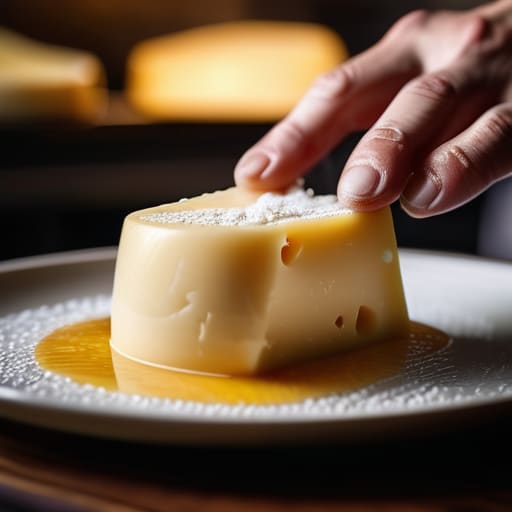
Alright, let’s break it down! Think of these five tastes as your flavor squad. You’ve got sweet, sour, salty, bitter, and the absolute GOAT: umami. If you want to stop making mid meals, you need to understand how they play together. Umami is that savory, “I-need-another-bite” magic you get from soy sauce or parmesan, and honestly, using umami to enhance flavor is my biggest secret weapon when a recipe feels like it’s missing something.
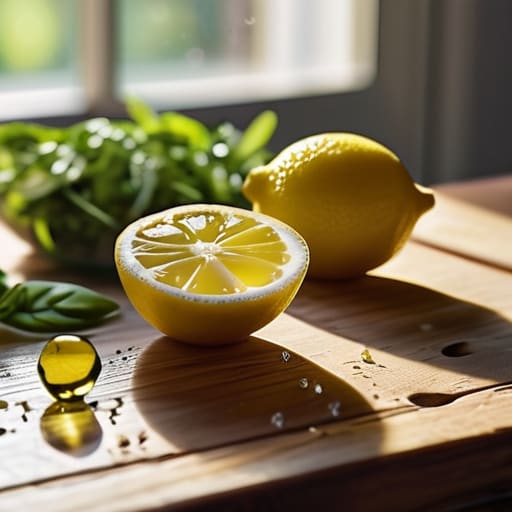
But here’s where the real game happens: the tug-of-war. If your dish is hitting too hard on one side, you gotta pivot. Too much salt? Don’t panic—don’t just throw it in the trash! You can actually fix it by balancing salt and fat or adding a hit of sugar. If a sauce is tasting super heavy or greasy, you need to go aggressive with the lemon or vinegar. Adjusting acidity in sauces is the fastest way to cut through that richness and make everything pop. It’s all about that perfect tension, fam!
Seasoning Techniques for Beginners to Level Up Fast
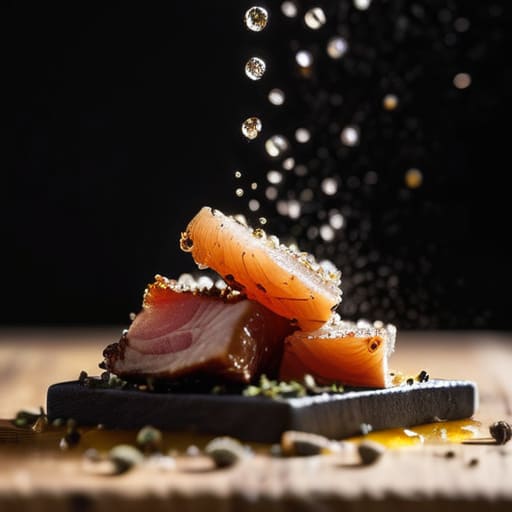
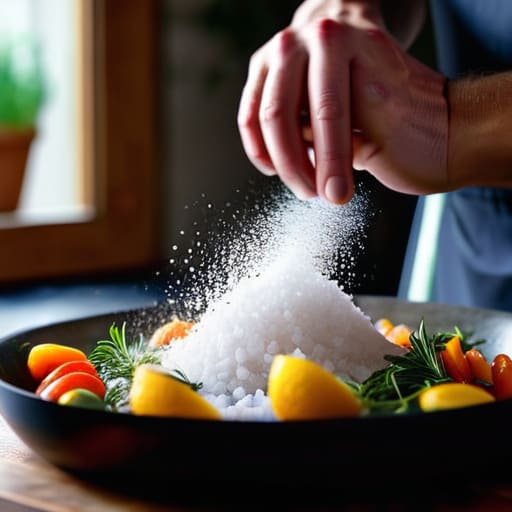
Look, you don’t need a culinary degree to make your food taste like a million bucks; you just need to stop being afraid of your spice cabinet. The biggest mistake I see? People seasoning once at the start and calling it a day. Wrong. You gotta season in layers, fam. Start with your base, then taste, then hit it again. If your dish feels heavy or “blah,” you’re probably missing that crucial step of balancing salt and fat. If you’ve got a rich, fatty pork belly or a cheesy pasta, you need that salt to cut through the richness so it doesn’t feel like a grease bomb in your mouth.
Next up: the secret weapon. If your sauce tastes like it’s missing something but you can’t put your finger on it, stop adding more salt! You’re likely just chasing your tail. Instead, try adjusting acidity in sauces by splashing in some lime juice or rice vinegar. That little hit of acid wakes everything up instantly. And if you really want to go god-mode? Use a heavy drizzle of chili crisp or a dash of soy sauce for that instant umami boost. It’s a total cheat code.
5 Pro Hacks to Stop Making Bland Food
- Taste as you go, or don’t bother! Seriously, don’t wait until the dish is finished to realize it’s mid. Grab a clean spoon, taste every single stage, and adjust on the fly. If it tastes weak halfway through, that’s your signal to level up!
- The “Acid Fix” is your new best friend. If your food tastes heavy, greasy, or just… “blah,” don’t reach for more salt—reach for lime, lemon, or vinegar. A quick splash of acid cuts right through the fat and wakes the whole dish up instantly.
- Salt is the volume knob for flavor. If your recipe tastes like nothing, it’s probably not lacking “flavor,” it’s just lacking salt. But don’t go overboard! Add it in small bursts so you don’t accidentally ruin the whole vibe.
- Balance the heat with fat or sweetness. If you went too hard on the spicy noodles and your mouth is literally on fire, don’t panic. Hit it with some creamy mayo, a dollop of yogurt, or even a tiny bit of honey to chill things out.
- When in doubt, add the chili crisp. I’m not even joking—if a dish feels like it’s missing that “extra something” to make it viral-worthy, a heavy drizzle of spicy, crunchy chili crisp adds texture, salt, and heat all at once. It’s the ultimate cheat code!
Now Go Out There and Make Some Noise!
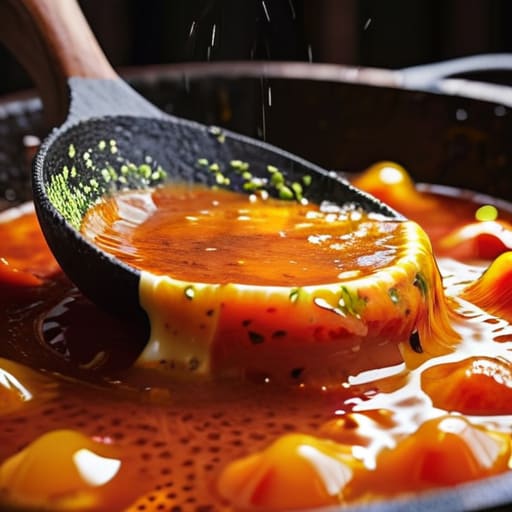
Look, we’ve covered the essentials: mastering the five basic tastes, knowing when to hit that salt, and using acid to cut through the heavy stuff. It’s not about following some dusty, complicated textbook; it’s about understanding how those flavors dance together in your pan. If your sauce is hitting too hard on the salt, grab some lime juice or a splash of vinegar to reset the vibe. If it feels totally hollow, you probably just need more umami or a heavy drizzle of my favorite chili crisp to bring it back to life. Stop overthinking the science and start trusting your tastebuds—they’re the only guide you actually need to stop making boring food.
At the end of the day, cooking shouldn’t feel like a chore or a math equation; it should be a high-energy experiment that ends with a massive, delicious win. Don’t be afraid to mess up, burn a little garlic, or go way too heavy on the spice—that’s literally how you find your signature style. The kitchen is your playground, so stop playing it safe and start cranking up the flavor. I want to see you taking these hacks, breaking the rules, and creating something so good it deserves its own viral moment. Now, get in there, get messy, and let’s get cooking!