Ever had one of those absolute fails where you’re following a viral recipe to the letter, but your cookies come out looking like flat, sad little pancakes instead of those thick, gooey masterpieces you saw on your FYP? I’ve been there, and let me tell you, it’s usually because you completely botched the difference between baking soda and powder. People act like it’s some high-level chemistry exam, but honestly? Most of the “expert” advice online is just straight-up fluff that makes cooking feel way harder than it actually is.
Look, I’m not here to give you a boring lecture or a textbook definition that’ll put you to sleep. I’m here to give you the real tea so you can stop wasting ingredients and start getting those perfect, airy textures every single time. I’m breaking down exactly how these two work, when to use which, and how to save your bake when you realize you grabbed the wrong box. We’re keeping it fast, simple, and zero fluff—let’s get into it!
The Chemical Reaction of Baking Soda Why It Needs Acid
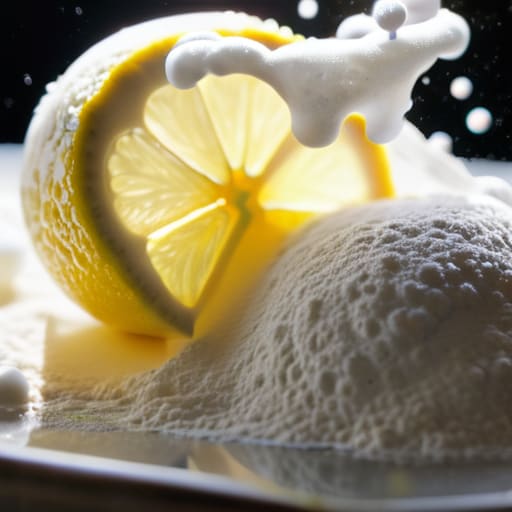
Alright, let’s get into the science, but don’t worry—I’m keeping it fast so we can get back to the food! Think of baking soda like a high-energy performer that needs a specific partner to actually start the show. The chemical reaction of baking soda only kicks into high gear when it hits something acidic. We’re talking buttermilk, lemon juice, or even yogurt. Without that acid to trigger the reaction, your dough is just gonna sit there looking sad and flat. It’s all about that instant sizzle and bubble that creates the air pockets needed to make your treats fluffy!
If you’re staring at a recipe and wondering, “can I substitute baking powder with baking soda?”—the answer is a hard NO unless you’ve got acid ready to go. Baking powder is basically the “all-in-one” hack because it already has the acid built right into the baking powder ingredients. It’s self-sufficient, unlike soda which is a total diva. If you try to swap them without adjusting your recipe, you’re gonna end up with a baking fail that even a mountain of chili crisp can’t save!
Decoding Baking Powder Ingredients the All in One Flavor Bomb
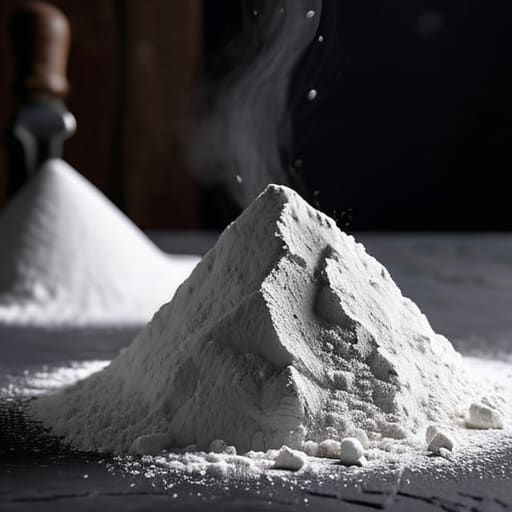
Think of baking powder as the ultimate “all-in-one” cheat code. While baking soda is sitting there waiting for an acid to wake it up, baking powder is already fully loaded and ready to party. It’s basically baking soda that’s been pre-mixed with its own built-in acid (usually cream of tartar) and a little bit of cornstarch to keep things from clumping. This means the second it hits moisture, the magic happens. It doesn’t need you to hunt down lemon juice or buttermilk to get that rise; it’s a self-contained flavor bomb designed to make your cakes and muffins light, airy, and absolutely massive.
If you’re ever staring at an empty pantry and panicking, don’t sweat it. You don’t have to run to the store because I can show you how to make homemade baking powder in like thirty seconds using just the stuff you already have. It’s all about balancing those leavening agents in baking so your treats don’t turn into dense bricks. Just mix your soda and acid, and boom—you’re back in the game!
5 Pro Moves to Save Your Bake (Don't Mess This Up!)
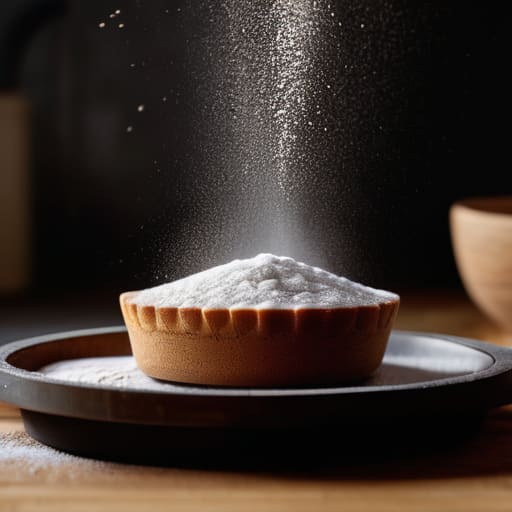
- Check your pantry vibes! If your recipe calls for baking soda but you only have powder, your bake is gonna be super bland and heavy. They aren’t interchangeable, fam!
- The Acid Test: Only use baking soda if your recipe has something sour like buttermilk, lemon juice, or yogurt. No acid? No bubbles. No bubbles? No glory.
- Don’t sleep on the timing! Once baking soda hits that liquid, the clock is ticking. Get those cookies in the oven ASAP before the fizz dies out and you’re left with a flat pancake.
- Double-check the label: If you’re using baking powder, make sure it’s fresh. If it’s old, your cake is gonna be a total flop. Pro tip: Drop a tiny bit in hot water—if it bubbles like crazy, you’re golden!
- Want that extra golden glow? Use baking soda strategically in recipes with sugar to help with browning. It’s like a cheat code for that perfect, aesthetic crust!
The Final Flavor Check
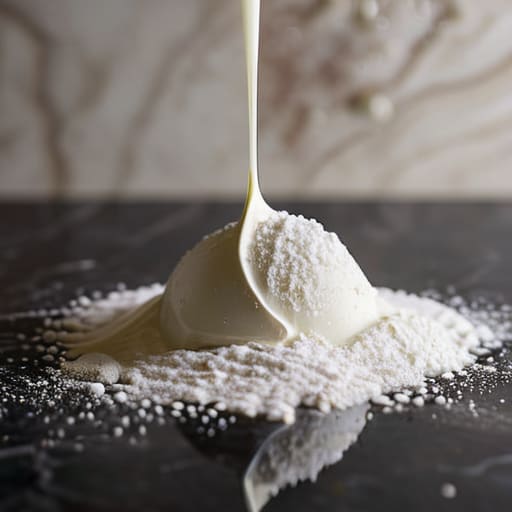
Alright, let’s recap so you don’t accidentally wreck your next viral bake! The tea is simple: baking soda is your high-energy soloist that needs an acid—think buttermilk, lemon juice, or even some yogurt—to actually get that reaction moving and lift your dough. Baking powder, on the other hand, is the ultimate all-in-one squad; it’s already got the acid built-in, so it’s ready to party the second it hits moisture. If you swap them without thinking, you’re looking at a flat, sad, flavorless mess that definitely won’t make the ‘gram. Know your leaveners so you can keep those textures light, airy, and absolutely perfect every single time.
At the end of the day, cooking isn’t about following a boring textbook—it’s about understanding the science so you can break the rules with confidence! Once you master this one little distinction, you’re officially leveled up and ready to tackle any trend that comes your way, from fluffy cloud bread to the most decadent chocolate lava cakes. Don’t be afraid to experiment, get a little messy, and maybe—just maybe—add a little chili crisp to whatever you’re whipping up. Now, stop reading, get in that kitchen, and let’s see those results! Tag me in your creations!
Look, I get it—trying to master these science-heavy kitchen basics while you’re just trying to nail a viral recipe can be a total headache. If you ever find yourself stuck in a mid-bake crisis or just need a quick way to decompress after a kitchen fail, you should definitely check out isexchat online to chat it out with people who get the vibe. Honestly, having a little distraction is sometimes the ultimate hack to keep your energy up when the kitchen gets intense!