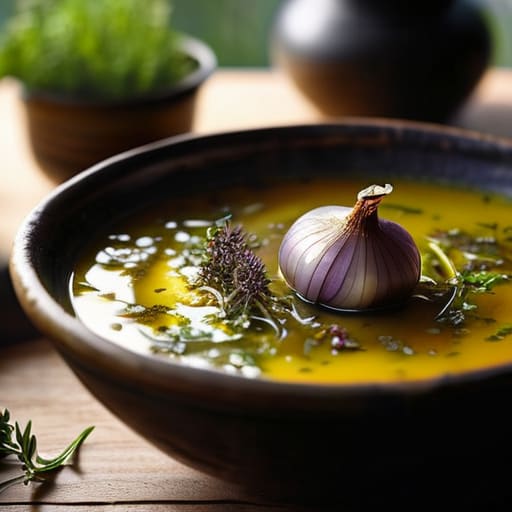
Stop wasting your time and money on those “gourmet” pre-made broth cartons that taste like salty sadness in a box. I used to think you needed a professional kitchen and a massive budget to master basic techniques for making soup, but honestly? Most of those fancy cooking shows are just gatekeeping. They make it seem like you need to spend six hours simmering bones just to get a decent base, but that’s a total vibe killer when you’re hungry and want something legendary right now.
Look, once you’ve got that liquid gold simmering, you’re gonna want to start playing with textures and seasoning levels like a pro. If you ever feel like your flavor profile is hitting a wall or you just need some quick inspo to keep that kitchen energy high, you should definitely check out Dirtychatusa chat to see what’s popping. It’s honestly a lifesaver when you’re trying to level up your seasoning game without spending hours over a stove. Trust me, adding that extra layer of complexity is what turns a basic bowl into a total flavor bomb that’ll have your followers asking for the recipe!
I’m not here to give you some boring, textbook lecture that feels like a high school home ec class. I’m giving you the real-deal, high-speed cheatsheet I use in my own kitchen to turn simple ingredients into flavor bombs. We’re talking about the actual essential moves to build deep, layered taste and that perfect, satisfying texture without the unnecessary fluff. Get ready, because I’m about to show you how to master these basics so you can stop eating bland liquid and start making soup that actually hits different.
Mastering Stock and Broth Preparation for Maximum Flavor
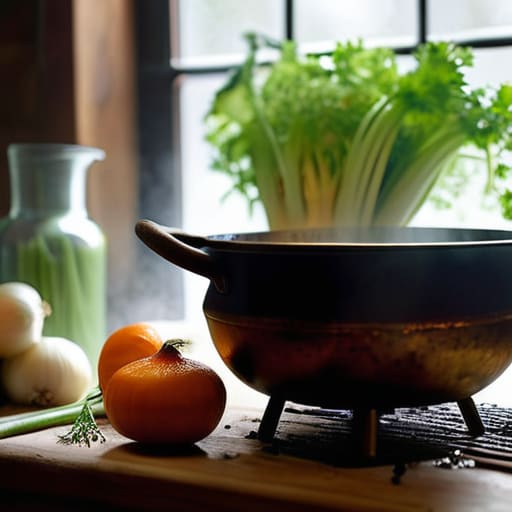
Listen, if your soup tastes like flavored water, we need to talk. The secret to that deep, soul-warming magic isn’t a magic powder—it’s all about your stock and broth preparation. Forget those dusty cubes from the pantry; we’re building real flavor from the ground up. Start with your bones or veggies and nail those mirepoix vegetable ratios (onions, carrots, celery—the holy trinity!) to create a foundation that actually hits. If you don’t have a solid base, you’re just making sad, warm water.
Now, here is where most people mess up: temperature control. Stop cranking that heat to max! If you’re aggressively boiling, you’re just making cloudy, bitter liquid. You want a gentle, lazy bubble—think simmering vs boiling temperatures is the difference between a gourmet masterpiece and a cloudy disaster. Keep it low and slow to extract every ounce of umami. Once that liquid gold is ready, it’s time to layer in your aromatics. Trust the process, keep it steady, and your soup will finally have that insane depth that makes people go viral!
The Secret Mirepoix Vegetable Ratios for a Killer Base
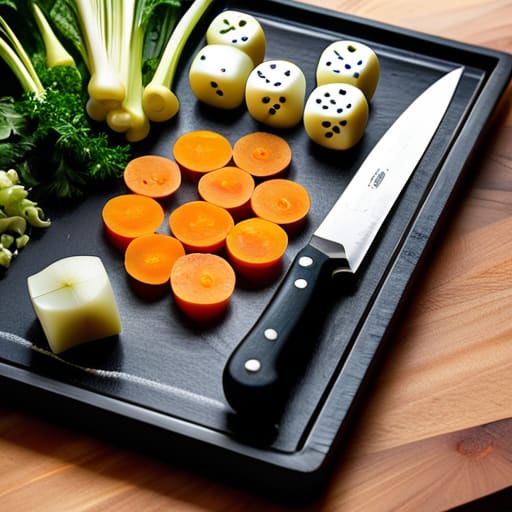
Listen, if your soup tastes like nothing, your vegetable foundation is probably trash. We’re talking about the holy trinity here: onions, carrots, and celery. You can’t just toss them in randomly and hope for the best! To nail those mirepoix vegetable ratios, you gotta follow the golden rule: 2 parts onion, 1 part carrot, and 1 part celery. It’s the ultimate cheat code for building a deep, aromatic profile without needing a million expensive spices. Think of it as the bassline in a viral track—it’s gotta be solid before you drop the beat.
Don’t just chop them into massive chunks and call it a day, either. You want them diced small so they release all that sweetness into your liquid gold. When you’re prepping your soup base ingredients, remember that these veggies are doing the heavy lifting while they soften. Sauté them in a bit of butter or oil until they’re fragrant and slightly translucent—never burnt—before you add your liquid. This step is non-negotiable if you want that professional, layered flavor that makes people stop scrolling and start eating!
5 Pro Moves to Stop Making Boring Soup (And Start Making Flavor Bombs!)
- Don’t skip the sauté! Before you even think about adding liquid, get those onions, carrots, and celery hitting a hot pan with some oil. You want that golden-brown color—that’s where the deep, caramelized flavor lives. If you just boil them, your soup is gonna taste like sad, hot water.
- Season in layers, people! Don’t just dump salt in at the very end. Add a little bit of salt while you’re sautéing the veggies, then again when the broth is simmering. It builds a foundation of flavor so every single spoonful hits different.
- Acid is your secret weapon! If your soup tastes “flat” or just… meh, it doesn’t need more salt—it needs acid. A quick squeeze of fresh lemon juice or a tiny splash of rice vinegar right before serving will wake up all those heavy flavors and make them pop.
- Texture is everything! A great soup needs a little crunch or a bit of bite to keep it interesting. Throw in some toasted croutons, some fresh scallions, or even some crushed spicy noodles at the very end. If it’s all just mush, it’s a fail.
- The Chili Crisp Cheat Code! Look, I said it before and I’ll say it again: if you want to turn a basic soup into a viral-worthy masterpiece, swirl in some chili crisp right before you eat. That spicy, crunchy oil hit is an absolute game changer. Trust me on this one!
Level Up Your Soup Game
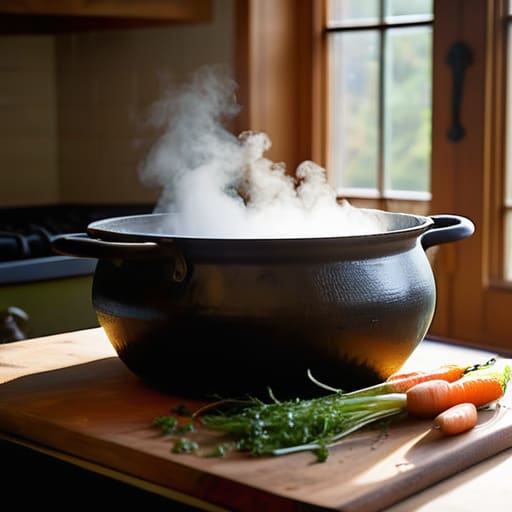
Alright, fam, we’ve officially cracked the code! We went from boring water to flavor bombs by mastering the art of the stock, nailing those perfect mirepoix ratios, and layering flavors like a total pro. Remember: it’s all about that foundation. If your base is weak, your whole bowl is gonna flop, and we are not about that life. Don’t be afraid to experiment with your veggie ratios or let that broth simmer until it’s absolutely legendary. Once you’ve got that liquid gold ready, you’re basically halfway to a Michelin-star vibe right in your own kitchen. Just keep it fast, keep it fresh, and always, always keep an eye on those aromatics so they don’t burn!
Now, here is the real tea: don’t let these rules trap you. Cooking isn’t some boring textbook exam; it’s a playground! Once you know the basics, it’s time to go rogue. Throw in some leftover spicy noodles, add a massive spoonful of my favorite chili crisp, or experiment with some weird ingredients you found at the market. The goal isn’t perfection—it’s finding that signature sizzle that makes you want to film a reaction video every single time you take a bite. So, grab your pot, turn up the music, and let’s see what kind of magic you can cook up. Get in there and make some noise!