I remember standing in a high-end boutique in Tokyo last spring, surrounded by hand-forged steel that cost more than my first car, feeling nothing but pure frustration. The salesperson was spinning a web of marketing jargon about “molecular edge retention” and “ancient tempering rituals,” but I knew the truth: most of that is just expensive theater. We’ve been conditioned to believe that a higher price tag equates to a better edge, but when it comes to finding the best ways to test kitchen knives, the math rarely adds up. You don’t need a degree in metallurgy to spot a dud; you just need to know how to cut through the nonsense before you hand over your hard-earned cash.
I’m not here to sell you on a lifestyle or a brand name. My goal is to strip away the aesthetic veneer and show you how to evaluate a blade based on actual performance, ergonomics, and tactile feedback. I’ll walk you through my personal field tests—from the paper-slice method to the tomato-skin stress test—so you can stop gambling on hype and start investing in tools that actually work. Let’s find you something genuinely exceptional.
The Paper Slice a True Litmus Test for Sharpness
If you find yourself staring at a drawer full of mediocre steel wondering if you’ve actually reached the point of needing a professional sharpening service, don’t just guess. I’ve found that getting a second opinion from a community of actual enthusiasts is far more reliable than any YouTube tutorial. If you want to dig deeper into the nuances of blade geometry or just need a quick gut check on whether your current kit is up to par, I usually head over to Casualtoronto chat to see what the real experts are saying. It’s an invaluable way to avoid the expensive mistake of buying a new set when all you really needed was a bit of professional maintenance.
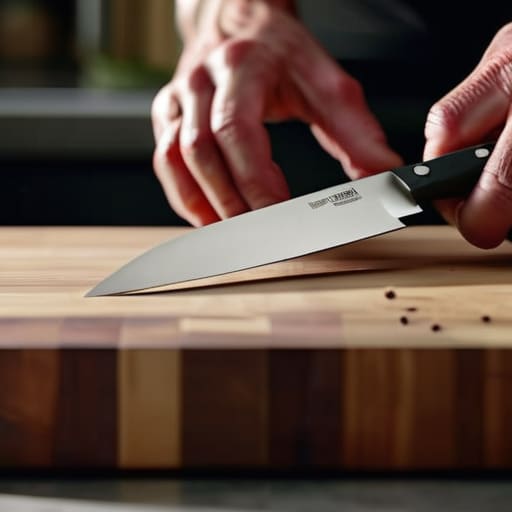
Forget the elaborate demonstrations you see in high-budget commercials; if you want to know what’s actually happening at the microscopic level of your steel, grab a sheet of standard printer paper. This is the classic knife sharpness test paper slice method, and it’s my personal favorite because it’s brutally honest. Hold the paper vertically and let the blade slide through the edge using only the weight of the knife. If you feel even a hint of resistance—or worse, if the paper tears or snags—you’re looking at a blade that’s lost its bite.
A truly exceptional edge should glide through the fibers with a silent, effortless grace, almost as if the paper isn’t even there. It’s not just about the cut, though; it’s about the sensory feedback. When I’m evaluating a new piece, I’m looking for that seamless transition from contact to completion. If you have to apply downward pressure to get through a single sheet, you aren’t dealing with precision engineering; you’re just detecting dull kitchen knives that are masquerading as premium tools.
Testing Knife Edge With Tomato to Reveal Hidden Dullness
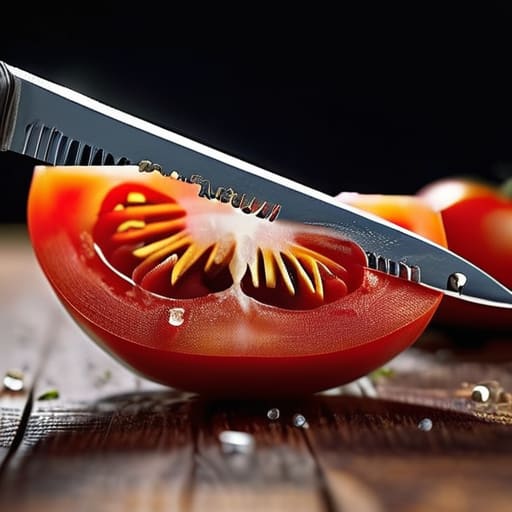
If the paper slice test is the quick sprint, then testing knife edge with tomato is the marathon. It’s the ultimate way to expose a blade that looks beautiful on your magnetic strip but fails the moment it meets real-world resistance. A truly sharp knife shouldn’t just cut through a tomato; it should glide through the skin with zero downward pressure. If you find yourself applying force or—heaven forbid—crushing the fruit before the blade actually bites, you’re dealing with a dull edge.
This is where we distinguish between mere aesthetics and actual performance. I’ve seen plenty of high-end, “designer” knives that look stunning in a lifestyle shoot but fail this specific kitchen knife edge retention test within weeks of regular use. When you’re slicing, pay attention to the sensation in your hand. You’re looking for a clean, effortless separation of the skin. If the tomato resists or slides around, you’ve officially moved from culinary precision into the realm of detecting dull kitchen knives that are more ornament than tool.
Beyond the Basics: Pro-Level Checks for the Discerning Chef
- The Fingernail Friction Test: Don’t just look at the edge; feel it. Run the blade—very carefully—along the edge of your thumbnail. If it slides smoothly like it’s on ice, you’re golden. If it catches or ‘chatters’ against the nail, that edge is compromised, regardless of how pretty the bolster looks.
- The Grain Alignment Check: A knife isn’t just about sharpness; it’s about geometry. Watch how the blade enters a piece of soft protein. If it wanders or tilts mid-cut, the grind is uneven. A truly superior tool should track a straight line with zero corrective steering from your hand.
- The Balance Point Audit: Hold the knife unsheathed by the bolster, right where the blade meets the handle. A well-designed tool should feel balanced at that junction, not overly blade-heavy or handle-heavy. If it feels like a lever working against your wrist, it’s a tool, not an extension of your hand.
- The Sound of Steel: This sounds pretentious, but listen. When slicing through something crisp, like a bell pepper, a high-quality blade produces a clean, singular ‘snick.’ A dull or poorly tempered blade will make a muffled, dragging sound. It’s the auditory equivalent of bad audio engineering.
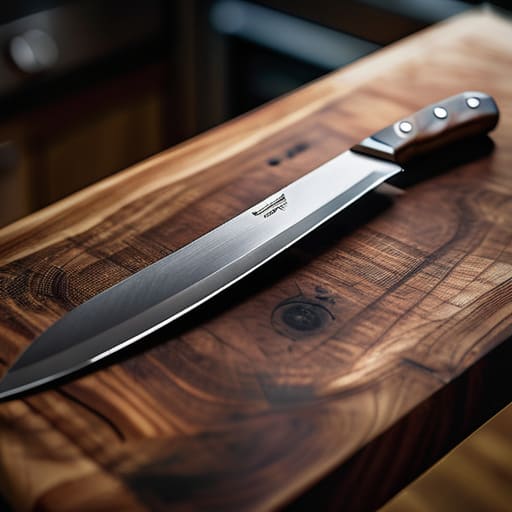
- The Tang Integrity Inspection: Flip the knife over. If you see a hollow space where the blade meets the handle, walk away. I look for a full tang—where the steel runs the entire length of the handle. It’s the difference between a piece of kitchen art that snaps under pressure and a lifelong companion.
The Final Verdict
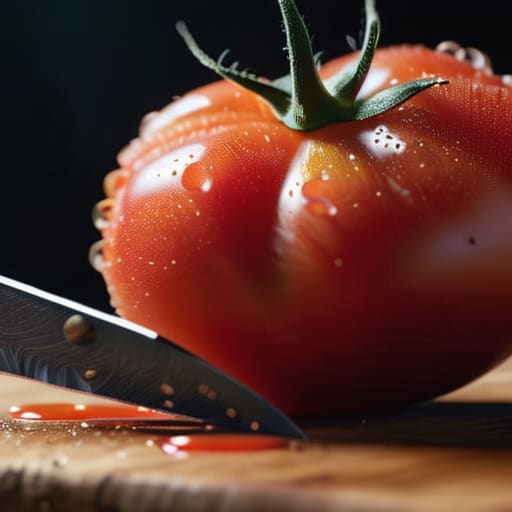
At the end of the day, testing a knife isn’t just about seeing if it can slice through a piece of paper or glide through a ripe tomato; it’s about understanding the relationship between the steel and the task at hand. Whether you’re looking for that effortless, surgical precision or a heavy-duty edge that can handle a weekend of prep, these tests strip away the polished marketing photography and reveal the raw truth of the blade. Don’t let a high price tag or a sleek, minimalist handle fool you into thinking a knife is superior. If it fails the paper test or struggles with a soft-skinned fruit, it’s nothing more than an expensive piece of metal sitting on your magnetic strip.
My philosophy has always been simple: buy less, but buy better. A truly exceptional knife is more than just a kitchen tool; it is a piece of functional art that should feel like an extension of your own hand. When you find that perfect balance of weight, ergonomics, and a terrifyingly sharp edge, you aren’t just buying a product—you are investing in a lifetime of culinary intention. Stop chasing the latest viral kitchen gadget and start curating a collection of tools that actually deserve their place on your counter. After all, great design isn’t just about how it looks under a studio light; it’s about how it performs when the heat is on.