If you think you need a $200 weighted silk eye mask, a mountain retreat in Bali, and three hours of absolute silence to find your zen, you’ve been lied to. Honestly, the “wellness” industry loves to gatekeep stillness behind expensive aesthetics, but I’m over the fluff. I spent months trying to force myself into these rigid, aesthetic-heavy rituals, only to realize they were actually spiking my cortisol instead of lowering it. I didn’t need more gear; I needed a protocol. If you’re actually looking for how to start a daily meditation practice without the performative nonsense, you need to stop looking at the incense and start looking at your brain chemistry.
I’m not here to give you some vague, “just breathe” platitude that sounds good on a Pinterest board. I’ve spent the last quarter treating my own mind like a laboratory—tracking my HRV, monitoring my cognitive load, and testing different modalities to see what actually overclocks my focus. In this post, I’m stripping away the mysticism and giving you the raw, data-backed framework I use to integrate stillness into a high-performance lifestyle. This is your no-nonsense blueprint for mental optimization.
Optimizing Neuroplasticity With Meditation Techniques for Beginners

If you want to see real physiological shifts, you have to stop thinking of meditation as “relaxing” and start viewing it as neuroplasticity training. We aren’t just sitting there to feel calm; we are actively rewiring our neural pathways to improve focus and emotional regulation. For those just starting, I recommend experimenting with different meditation techniques for beginners to see which one actually triggers that cognitive “click.” I’ve personally found that breath-work-heavy protocols act like a software update for my nervous system, whereas open-monitoring meditation feels more like clearing the cache on a cluttered hard drive.
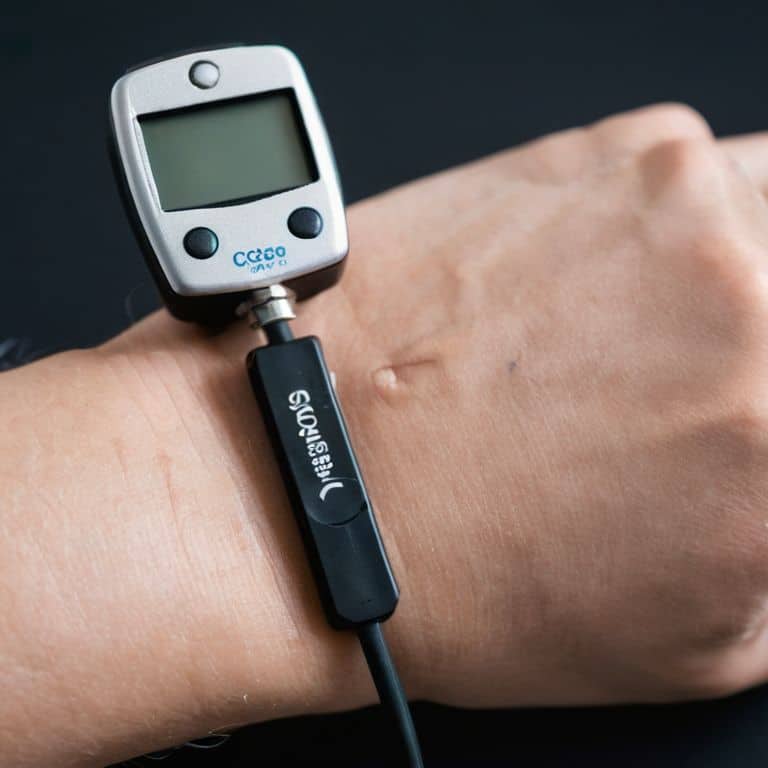
The key is to treat your practice like a high-performance workout. Don’t just aim for “peace”; aim for precision. While many people search for the perfect guided meditation for relaxation, I prefer using biometric feedback—like tracking my Heart Rate Variability (HRV) during a session—to see if I’m actually shifting into a parasympathetic state. If your data shows your stress levels aren’t dropping, you haven’t failed; you just haven’t found the right protocol yet. Keep iterating until you find the specific frequency that optimizes your brain.
The Science Backed Benefits of Mindfulness Meditation

Look, I’m not about the “zen” aesthetics or the fluffy promises of finding your inner peace. I care about the hardware. When we talk about the benefits of mindfulness meditation, we’re actually talking about a massive software upgrade for your central nervous system. I’ve been tracking my HRV (heart rate variability) religiously, and the data doesn’t lie: consistent mindfulness acts like a physiological buffer against cortisol spikes. We’re talking about downregulating the amygdala—the brain’s frantic alarm system—to essentially recode your stress response from reactive to proactive.
It’s not just about feeling calm; it’s about cognitive efficiency. By leveraging specific meditation techniques for beginners, you’re essentially training your prefrontal cortex to maintain executive control even when life gets chaotic. I’ve noticed that on the days I prioritize a session, my focus feels sharper and more sustainable, rather than that jittery, caffeine-fueled concentration that inevitably crashes. We aren’t just sitting still; we are actively optimizing our neural architecture to handle higher levels of complexity without redlining.
My High-Performance Protocol: 5 Ways to Hack Your Way into a Daily Practice
- Stop aiming for “zen” and start aiming for data; I use a wearable to track my Heart Rate Variability (HRV) before and after my sessions to see if my nervous system is actually shifting into parasympathetic mode.
- Forget the 30-minute marathons; I treat meditation like HIIT and start with “micro-dosing” stillness—just five minutes of focused breathwork to prime my brain without the mental friction.
- Curate your sensory environment like a lab; I don’t just sit in a chair, I use noise-canceling tech and specific binaural beats to signal to my brain that it’s time to enter a deep flow state.
- Anchor your practice to an existing habit to automate the discipline; I stack my meditation immediately after my morning cold plunge so the physiological shift becomes a hard-coded part of my routine.
- Ditch the “quiet mind” myth and embrace the mental audit; don’t get frustrated when thoughts pop up—view them as data points in your cognitive processing and simply observe the pattern without getting hijacked.
The Protocol for Your New Baseline

Look, we’ve moved past the idea that meditation is just about sitting on a floor and hoping for the best. We’ve broken down the neurobiology, looked at how you can actually leverage neuroplasticity to rewire your stress response, and mapped out the science behind mindfulness. Whether you’re using breathwork to regulate your autonomic nervous system or employing guided sessions to sharpen your cognitive focus, the goal is the same: data-driven mental optimization. Stop treating stillness like a chore and start treating it like the essential software update your brain desperately needs to function at its peak.
Now, it’s time to stop reading and start testing. Don’t worry about being “good” at it; worry about being consistent. Treat your meditation practice like any other high-performance protocol—track your mood, monitor your heart rate variability, and adjust your variables until you find your perfect flow state. This isn’t about finding peace; it’s about upgrading your operating system so you can handle whatever chaos the world throws at you. Get your data, find your rhythm, and let’s see how far we can push the limits of human performance. Your future, optimized self is waiting.
But let’s be real: trying to master your focus in a vacuum is a recipe for burnout, and I’ve learned the hard way that isolation is the enemy of consistency. When my own data started showing erratic cortisol spikes, I realized I needed more than just an app; I needed a high-performance environment. That’s why I started leaning on this community to stay accountable, because when you surround yourself with people who are also obsessed with optimization, the mental heavy lifting becomes so much easier.