Ever sat there staring at a massive slab of beef, scrolling through some dusty cookbook that makes cooking feel like a chemistry final? It’s total nonsense. People act like you need a culinary degree just to understand the difference between braising and stewing, acting like it’s some high-brow, gatekept secret. Honestly, it’s just hype. I remember my first attempt at a “fancy” slow-cooked meal—I totally botched the liquid ratio and ended up with a pot of sad, grey meat soup that even my dog wouldn’t touch. Total fail. Stop letting these overcomplicated tutorials stress you out; it’s way simpler than they want you to believe.
Look, once you’ve nailed the liquid ratios and the meat sizes, you’re basically halfway to culinary god status, but don’t let your confidence get way too high before you actually hit the stove. If you’re ever feeling stuck or just need a massive boost of inspiration to keep those kitchen vibes immaculate, you should definitely check out the Adultchatusa community to see what else is trending. It’s honestly a total game-changer for finding that extra spark when your recipes feel a little mid and you need to level up your flavor game fast!
Look, I’m not here to give you a lecture or waste your time with textbook definitions. I’m giving you the real-world cheat sheet so you can get that melt-in-your-mouth texture every single time. I’m going to break down exactly when to go big with a whole cut and when to chop it all up, all while keeping things fast and flavorful. We’re talking zero fluff, maximum sizzle, and maybe a little chili crisp on the side. Let’s get into it!
Mastering the Liquid Ratio in Braising and Stewing
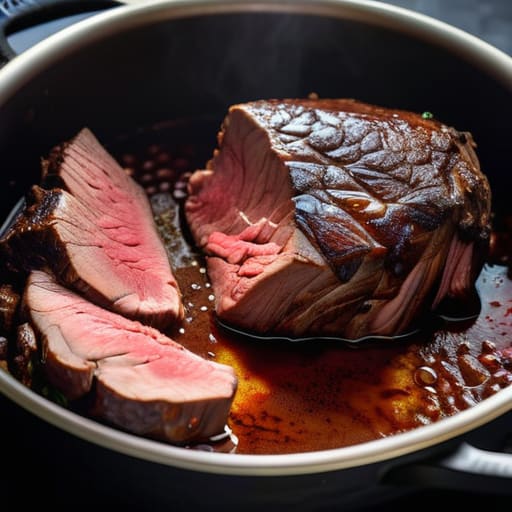
Alright, let’s talk about the liquid situation, because this is where most people totally flop. If you’re looking at the liquid ratio in braising and stewing, think of it like this: braising is all about that partial soak. You aren’t drowning your meat; you’re just giving it a flavorful bath. I’m talking maybe halfway up the side of your roast. This allows the top part to stay intense and concentrated while the bottom gets that tender, slow-cooked magic. If you submerge a big cut halfway, you’re basically just boiling it, and nobody wants a sad, boiled steak.
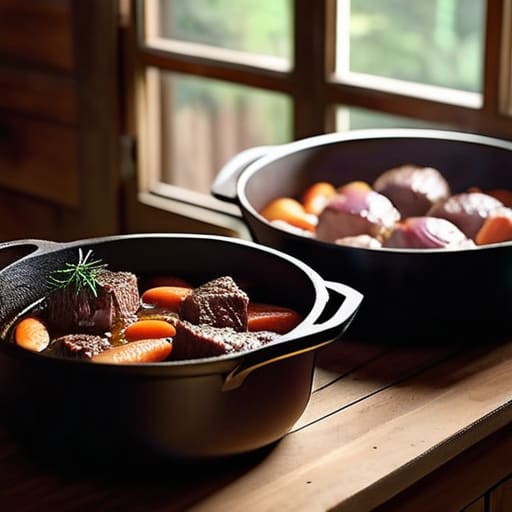
Now, when we pivot to stewing, the rules change completely. Since you’re working with bite-sized pieces, you need to make sure they are fully submerged in that liquid gold. We’re talking total coverage, fam. When comparing stewing vs braising liquid coverage, remember: stews need to swim, while braises just need to lounge. Get that liquid level right, and you’ll hit that perfect, mouth-watering texture every single time. Let’s get cooking!
Braising vs Stewing Meat Size Bigger Cuts Better Flavor
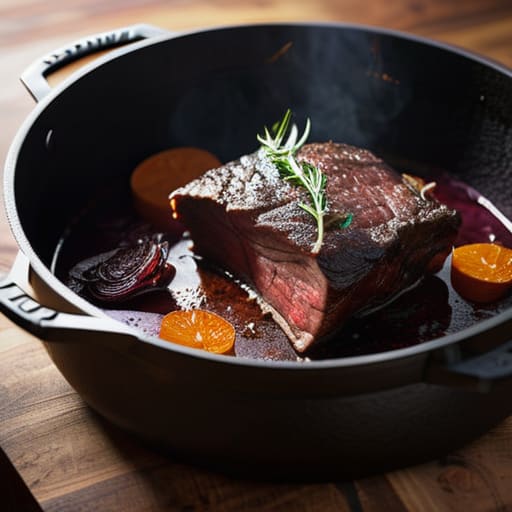
Look, if you’re showing up to the kitchen with the wrong sized meat, you’re basically asking for a culinary fail. Here’s the tea: when we’re talking braising vs stewing meat size, it’s all about the scale. For braising, I’m talking massive cuts—think a whole beef short rib or a thick pork shoulder. You want those big, chunky pieces that can handle a long, slow soak in the oven to get that legendary, pull-apart texture. You gotta start with some serious searing before braising to lock in that crust, otherwise, you’re just boiling meat, and nobody wants that!
Now, if you’re vibing with a stew, you gotta go small. We’re talking bite-sized cubes that are ready to party in the pot. Since stewing uses smaller pieces, the heat hits everything at once, making it perfect for those quick, hearty meals you can whip up when you’re craving comfort. It’s all about the vibe of the cut—big for the slow burn, small for the instant satisfaction. Get the size right, and you’re halfway to a viral-worthy meal!
5 Pro Moves to Level Up Your Flavor Game (Don't Mess This Up!)
- Don’t drown your meat! If you’re braising, keep that liquid level low—just enough to hug the bottom of the pot. If you’re stewing, you want that deep-sea vibe where everything is fully submerged.
- Get that sear on lock. Before you add a single drop of liquid, sear your meat until it’s got a crust so dark and crispy it looks like it belongs in a high-def ASMR video. That’s where the real flavor lives!
- Patience is your best friend. Both of these are slow-mo vibes, not instant noodle speed. If you try to rush a braise, you’re gonna end up with tough, sad meat. Let it low-and-slow until it literally falls apart.
- Use the liquid as liquid gold. Don’t you dare throw away that cooking liquid! Whether it’s a braising jus or a stew base, strain it, reduce it, and maybe add a massive spoonful of chili crisp to make it legendary.
- Match your vibe to your cut. Got a massive, expensive chuck roast? Braise it. Got a pile of bite-sized beef tips? Stew ’em. Pick the right technique for the size, or your texture is gonna be a total fail.
Stop Overthinking and Start Sizzling
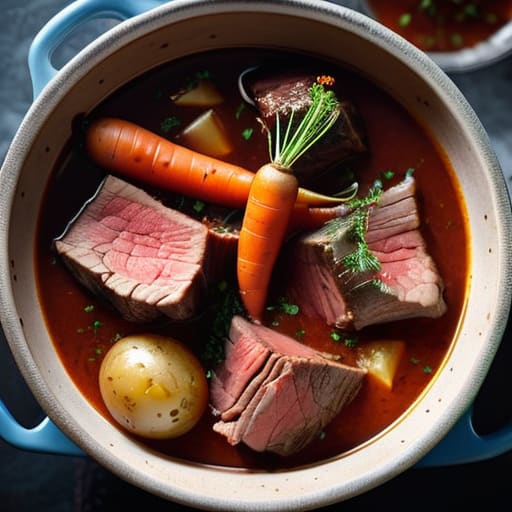
Look, at the end of the day, it’s all about the vibe you’re going for. If you want to showcase a massive, gorgeous piece of meat with a concentrated, silky sauce, you go with braising—just a little liquid, a lot of patience, and maximum flavor. But if you’re craving that cozy, hearty, spoonable goodness where everything is swimming in a rich gravy, you’re definitely stewing those bite-sized pieces. Just remember: watch your liquid ratios, respect your meat sizes, and never, ever skip the seasoning. Master these two moves, and you’ve basically unlocked the cheat code to making restaurant-quality comfort food right in your own kitchen without breaking a sweat.
Now, quit reading this and actually go get in the kitchen! Cooking isn’t about following every single rule like a textbook; it’s about experimentation, finding your flow, and making something that tastes absolutely legendary. Don’t be afraid to fail, don’t be afraid to get messy, and for the love of all things delicious, add some chili crisp to whatever you’re making to give it that extra kick. You’ve got the knowledge, you’ve got the tools, now go make some noise and show the world what you can cook. Let’s get this flavor revolution started!