As I stood in my kitchen, staring down at the plethora of cookware options, I couldn’t help but feel overwhelmed by the age-old debate: stainless steel vs non-stick cookware. It’s a choice that has plagued home cooks and professional chefs alike for years, with each side touting its own unique benefits. But let’s be real, who has the time to sift through the marketing jargon and exaggerated claims? I’ve spent years testing and reviewing the latest and greatest in kitchen essentials, and I’m here to give you the lowdown on which type of cookware is truly worth your investment.
In this article, I’ll be cutting through the clutter to give you a no-nonsense look at the pros and cons of each option. From durability and ease of use to heat distribution and overall value, I’ll be sharing my honest, firsthand experience with both stainless steel and non-stick cookware. My goal is to empower you to make an informed decision, one that’s based on real-world performance rather than clever marketing or fleeting trends. So, if you’re ready to separate the hype from the reality, let’s dive in and explore the world of stainless steel vs non-stick cookware.
Table of Contents
Stainless Steel Cookware
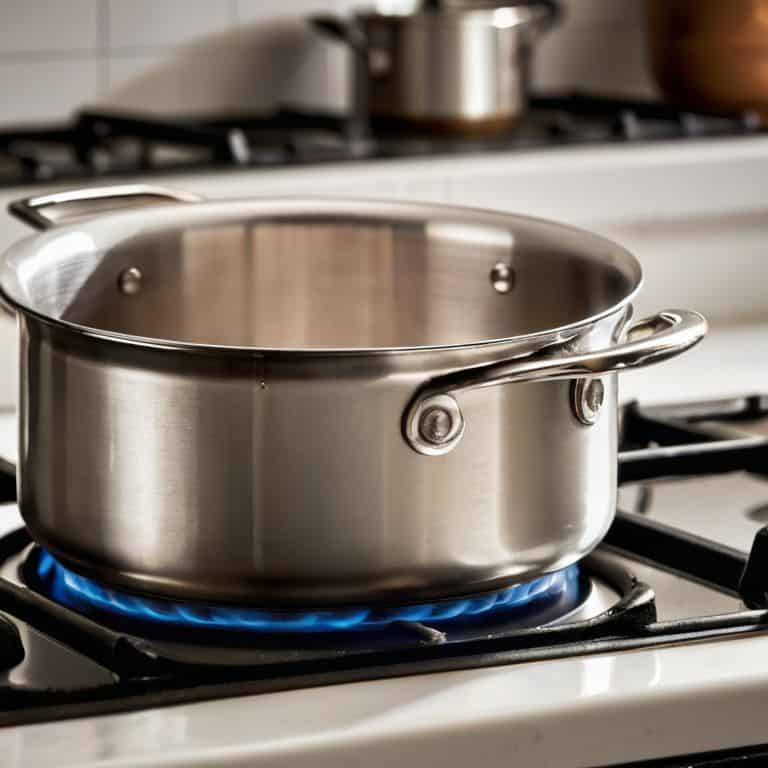
Stainless steel cookware is a type of kitchen essential made from a durable, resistant metal alloy that combines stainless steel with other elements, offering excellent heat conductivity and a non-reactive cooking surface, which is its main selling point. The core mechanism of stainless steel cookware lies in its ability to distribute heat evenly, allowing for consistent cooking results, and its resistance to scratches and corrosion makes it a long-lasting option. This is why many home cooks and professional chefs opt for stainless steel cookware, as it provides a reliable and efficient cooking experience.
When it comes to real-world applications, stainless steel cookware truly shines in high-heat searing and sauce reduction tasks, where its heat retention capabilities allow for a perfectly caramelized crust. I’ve had my fair share of experiments with stainless steel cookware, and I can attest that the right piece can elevate your cooking game, making even the most mundane dishes feel like a culinary masterpiece. The key to unlocking its full potential lies in understanding how to properly maintain and season your stainless steel cookware, which can make all the difference in achieving that perfect sear.
Non-Stick Cookware
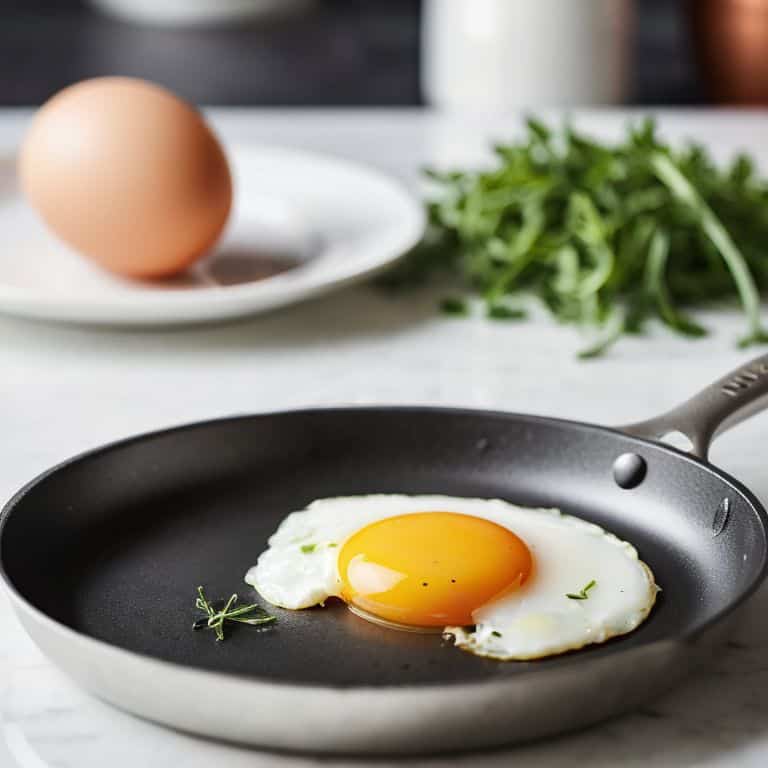
Non-stick cookware, on the other hand, is designed with a special coating that prevents food from sticking to its surface, making it ideal for delicate foods like eggs, pancakes, and crepes, with its main selling point being the effortless food release. The core mechanism behind non-stick cookware is the application of a thin layer of polytetrafluoroethylene (PTFE) or ceramic, which reduces the friction between the cookware and the food, allowing for easy sliding and removal. This feature is particularly useful for health-conscious individuals, as it enables cooking with minimal oil.
In my experience, non-stick cookware is a game-changer for busy home cooks who value convenience and easy cleanup. The ability to whip up a quick omelette or pancake without worrying about it sticking to the pan is a huge plus, and the fact that non-stick cookware often requires less oil makes it a great option for those looking to reduce their fat intake. However, I’ve found that not all non-stick cookware is created equal, and the quality of the coating can greatly impact its overall performance, making it essential to choose a reputable brand that offers a durable non-stick coating.
Head-to-Head Comparison: Stainless Steel vs Non-Stick Cookware
| Feature | Stainless Steel | Non-Stick |
|---|---|---|
| Price | Moderate to High | Low to Moderate |
| Key Feature | Durable, Resistant to Scratches | Easy Food Release, Less Oil Needed |
| Best For | High-Heat Cooking, Durability | Delicate Foods, Low-Fat Cooking |
| Maintenance | Easy to Clean, Resistant to Corrosion | Requires Gentle Cleaning, Prone to Damage |
| Health Benefits | Non-Toxic, No Coating Risks | Potential Non-Stick Coating Risks at High Heat |
| Heat Distribution | Excellent Heat Conduction | Variable Heat Distribution |
| Lifespan | Long Lasting (10+ years) | Less Durable (2-5 years) |
Stainless Steel vs Non Stick
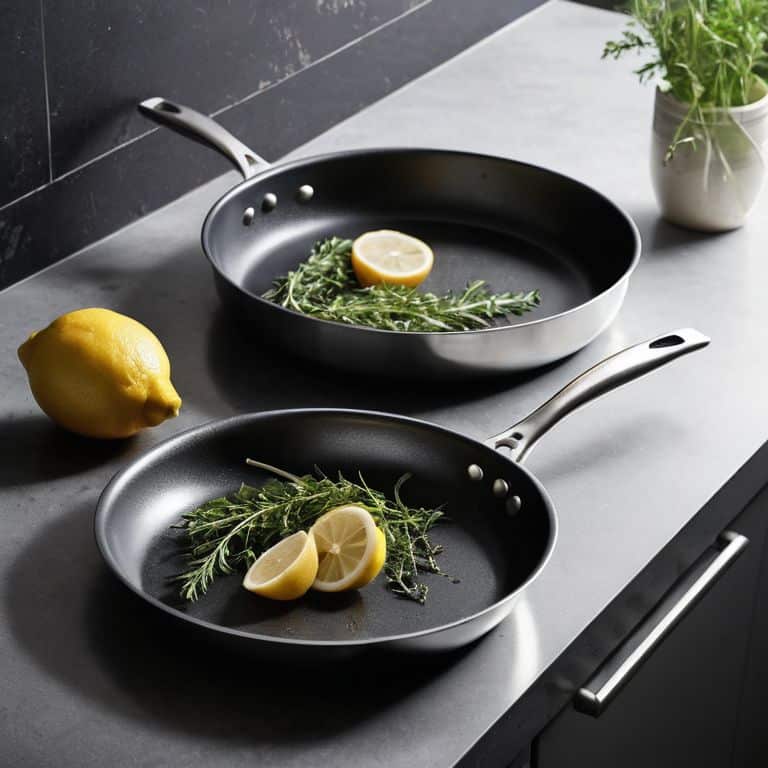
When it comes to stainless steel vs non-stick cookware, the material’s performance is crucial. The choice between these two can greatly impact your cooking experience, and that’s why this criterion is so important. Durability and ease of use are key factors that can make or break your decision.
In a head-to-head analysis, stainless steel cookware is known for its heat distribution, allowing for a more even cooking experience. On the other hand, non-stick cookware excels in terms of food release, making it a great option for delicate dishes. However, non-stick coatings can be prone to scratches and chips, which may compromise their performance over time.
In terms of practical implications, stainless steel cookware requires more maintenance, such as seasoning and polishing, to prevent rust and maintain its non-stick properties. Non-stick cookware, while easier to clean, may need to be replaced more frequently due to the coating’s limited lifespan. After considering these factors, I declare stainless steel the winner in this category, due to its long-term durability and versatility in various cooking techniques.
The Verdict: Key Takeaways
Stainless steel cookware is the clear winner when it comes to durability and heat distribution, but non-stick has its own advantages, particularly for delicate foods and easy cleaning
Ultimately, the choice between stainless steel and non-stick cookware comes down to your personal cooking style and priorities – if you’re a busy home cook, non-stick might be the way to go, but if you’re a serious culinary enthusiast, stainless steel is worth the investment
Regardless of which type of cookware you choose, it’s essential to consider factors like construction quality, handle design, and lid functionality to ensure you’re getting a product that will truly elevate your cooking experience – and that’s where the real value lies, beyond the hype of materials alone
The Verdict
In the age-old debate of stainless steel vs non-stick cookware, it’s not just about the materials – it’s about the experience: do you value the sleek, durable performance of stainless steel, or the effortless food release of non-stick?
Julian Grey
The Final Verdict: Which Should You Choose?
After putting both stainless steel and non-stick cookware through their paces, it’s clear that each has its own set of advantages and disadvantages. Stainless steel offers a durable, low-maintenance option that’s perfect for high-heat cooking, while non-stick provides a convenient, easy-to-clean alternative that’s ideal for delicate foods. However, the choice between them ultimately depends on your cooking style and preferences. If you’re a busy home cook who values ease of use, non-stick might be the way to go. On the other hand, if you’re a serious culinary enthusiast who’s willing to invest time and effort into your craft, stainless steel could be the better choice.
So, which one should you choose? For the everyday cook, I’d recommend non-stick cookware for its ease of use and convenience. However, for the serious chef, stainless steel is the clear winner due to its durability and versatility. Ultimately, it’s about finding the right tool for the job, and investing in quality will always pay off in the long run. Whether you opt for stainless steel or non-stick, make sure to choose a reputable brand that prioritizes design and functionality to ensure a superior cooking experience.
Frequently Asked Questions
Which type of cookware is more durable and resistant to scratches, stainless steel or non-stick?
Hands down, stainless steel takes the durability crown. It’s virtually scratch-proof and can withstand metal utensils, while non-stick coatings can be delicate. Worth the Hype? For longevity, stainless steel is the clear winner.
How do stainless steel and non-stick cookware compare in terms of heat distribution and cooking performance?
Heat distribution is where stainless steel truly shines – its dense, conductive nature ensures a consistent cook. Non-stick, on the other hand, can be prone to hotspots. In terms of performance, stainless steel retains heat beautifully, while non-stick excels at preventing food from sticking, but may not sear as well. Worth the Hype? For even heating, stainless steel takes the crown.
Is stainless steel cookware worth the extra cost compared to non-stick, considering factors like maintenance and longevity?
Honestly, I think stainless steel’s durability and ease of maintenance make it a worthwhile investment. Yes, it’s pricier upfront, but it outlasts non-stick and develops a beautiful patina over time. Worth the Hype? Absolutely, if you’re in it for the long haul.