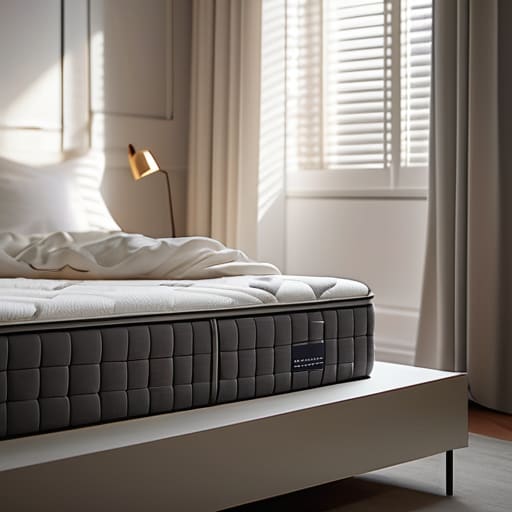
I spent three hours last Tuesday in a showroom that looked more like a high-end art gallery than a place to buy sleep gear, surrounded by “revolutionary” foam layers and marketing jargon that felt more like science fiction than actual engineering. It’s exhausting. Most brands want you to believe that a $4,000 price tag is the magic ingredient, but I’ve learned the hard way that fancy showrooms and celebrity endorsements are usually just expensive distractions. If you’re currently spiraling through endless tabs trying to figure out how to choose a good mattress without getting fleeced by a DTC startup’s clever copywriting, you aren’t alone—and you’re definitely being over-sold.
I’m not here to give you a checklist of technical specifications that mean nothing once you’re actually lying down. Instead, I’m going to strip away the fluff and focus on what actually matters: structural integrity, thermal regulation, and how a design actually interacts with your body. I’ve cut through the noise to bring you a guide rooted in design principles and real-world utility. We’re going to find you something that doesn’t just look good in a minimalist bedroom, but actually performs.
Decoding the Truth of Memory Foam vs Hybrid Mattresses
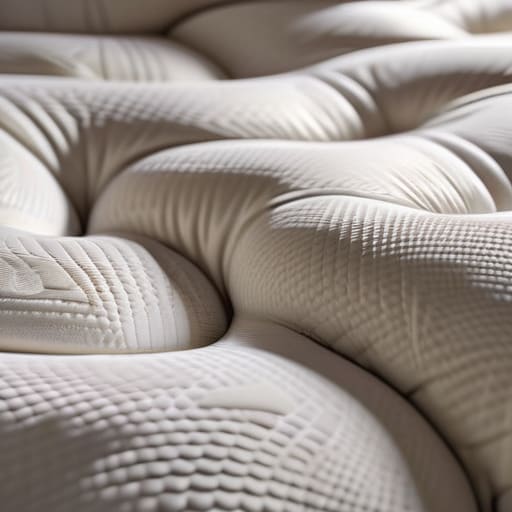
Let’s strip away the marketing gloss. When you’re staring at a sea of spec sheets, the debate of memory foam vs hybrid mattresses usually boils down to a conflict between sensation and structure. Memory foam is that seductive, slow-sink experience—it’s pure cocooning. If you’re someone who wants to feel like you’re being hugged by a cloud, it’s hard to beat. But here’s the catch: that “sink” can sometimes feel less like luxury and more like being trapped in quicksand, especially if you struggle with heat regulation.
Hybrid models, on the other hand, are the architect’s choice. By layering responsive coils beneath high-density foam, they offer a more intentional equilibrium. For those of us obsessed with longevity, mattress material durability is the real metric that matters. Hybrids tend to hold their shape longer, providing the structural integrity that pure foam often lacks. If you’re searching for the best mattress for back pain, that extra bit of spring-loaded support is often the difference between waking up feeling restored or feeling like you’ve gone twelve rounds in a ring.
The Hidden Reality of Mattress Material Durability

Here’s the thing about the mattress industry: they’re masters of the “honeymoon phase.” You unbox a high-end foam slab, it feels like floating on a cloud for exactly three months, and then—suddenly—you’re waking up feeling like you’ve been sleeping on a piece of plywood. This is the dark side of mattress material durability that most DTC brands conveniently omit from their glossy Instagram ads. Cheap, low-density polyfoam might feel plush initially, but it lacks the structural integrity to hold its shape, leading to that dreaded “sinkhole” effect that ruins your sleep posture.
If you want to avoid replacing your investment every three years, you have to look past the marketing fluff and scrutinize the core. I always look for high-density foams or reinforced coil systems that offer consistent resistance. It’s not just about softness; it’s about structural longevity. If a brand can’t tell you the specific density of their foam or the gauge of their steel, they’re likely selling you a trend rather than a tool for rest. Don’t settle for a product that loses its soul after a single season.
The Curator’s Checklist: Five Non-Negotiables for Your Sleep Sanctuary
- Stop falling for the “cloud-like” marketing fluff. A mattress that feels like a marshmallow in the showroom will likely feel like a sinkhole by month three. Test for edge support; if the perimeter collapses when you sit on it, the structural integrity is a joke.
- Respect your body’s geometry. If you’re a side sleeper, you need a contour that respects your hip alignment; if you’re an athlete who spends the day on your back, you need responsive tension. Don’t buy a “one size fits all” solution—it fits no one.
- Treat the trial period like a rigorous stress test. A 100-night trial isn’t a suggestion; it’s a requirement. Your body takes at least three weeks to recalibrate to a new sleep surface. If they don’t offer a no-questions-asked return policy, walk away.
- Look past the fabric and inspect the density. In the world of DTC brands, a pretty quilted cover can hide a mediocre core. I’m looking for high-density foams and reinforced coil systems—the stuff that actually holds its shape when the hype dies down.
- Consider the thermal footprint. There is nothing less aesthetic than waking up in a sweat because your mattress acts like a heat trap. If you’re investing in memory foam, ensure it’s infused with cooling gel or has a breathable structure, otherwise, you’re just buying a very expensive heater.
The Final Verdict
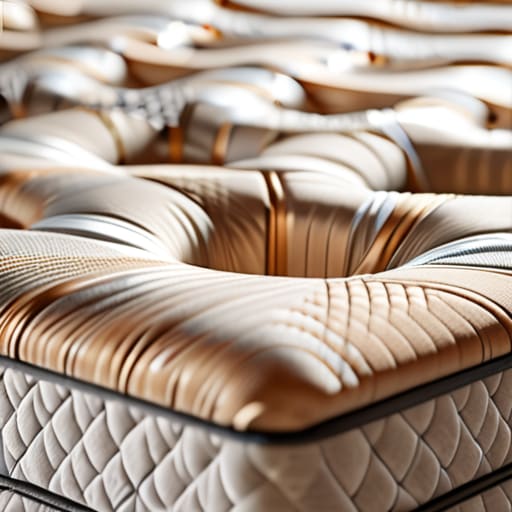
At the end of the day, choosing a mattress isn’t about chasing the latest marketing buzzword or falling for a flashy Instagram ad. It’s about understanding the marriage between material science and your own biology. We’ve stripped away the fluff: you now know that the choice between memory foam and a hybrid isn’t a matter of “better” or “worse,” but rather a question of how you interact with your environment. Don’t let a brand’s high-production video distract you from the structural integrity of the core components. Remember, a mattress is an investment in your daily performance, and you should only be willing to pay for substance over style.
My philosophy has always been simple: buy fewer, better things. This applies to your furniture, your tech, and especially your sleep setup. A truly great mattress shouldn’t just be a place to crash; it should be a seamless, well-designed tool that disappears into your life, leaving you only with the benefits of deep, restorative rest. Stop settling for the mediocre “middle ground” offered by mass-market retailers. Seek out the craftsmanship, demand transparency in materials, and invest in a piece that will actually elevate your existence for the next decade.
Look, I know that once you’ve finally settled on a mattress that doesn’t feel like sleeping on a slab of sidewalk, you’re going to want to curate the rest of your environment to match that level of comfort. It’s all about the holistic experience of relaxation. If you’re looking to expand your search for lifestyle connections or simply want to explore more about local social dynamics, checking out a resource like bristol sex meet can be a way to navigate those more personal, human elements of your social landscape. Ultimately, whether it’s the thread count of your sheets or the company you keep, everything should serve the purpose of intentional living.