As a self-proclaimed baking enthusiast, I’ve found myself in the midst of a heated debate: stand mixer vs hand mixer. It’s a choice that has sparked intense discussions among my fellow bakers, with each side convinced that their preferred method is the only way to go. But let’s get real, the decision isn’t just about personal preference – it’s about finding the right tool to elevate your baking game. I’ve seen far too many people swept up in the hype of trendy kitchen gadgets, only to end up with a device that collects dust in the corner of their countertop.
In this article, I’ll be putting both stand mixers and hand mixers to the test, sharing my honest, unbiased opinion on which one is truly worth the investment. I’ll be diving into the nitty-gritty details of each, from design and functionality to usability and overall value. My goal is to provide you with a no-nonsense guide to making the best decision for your baking needs, so you can focus on what really matters – creating delicious treats that impress. By the end of this, you’ll know exactly which type of mixer is right for you, and whether the hype surrounding these kitchen staples is truly worth the hype.
Table of Contents
Stand Mixer
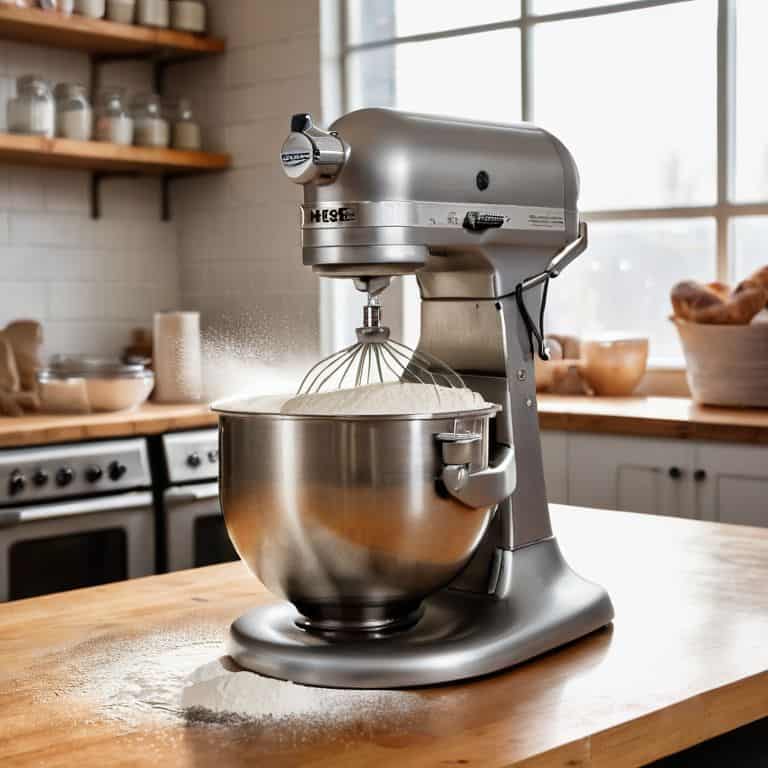
A stand mixer is a type of electric mixer that uses a stationary bowl and a moving mixing head to combine ingredients, with its main selling point being the ability to handle heavy mixing tasks with ease, making it a staple in many professional and home bakeries. The core mechanism of a stand mixer involves a powerful motor that drives a series of gears, which in turn rotate the mixing head, allowing for efficient and thorough mixing of ingredients. This is particularly useful for tasks like kneading dough or whipping cream, where a hand mixer might struggle.
For me, the stand mixer represents the epitome of baking luxury, offering a level of convenience and consistency that’s hard to match with other types of mixers. I’ve had my fair share of experiences with stand mixers, from effortlessly whipping up meringues to kneading dough for homemade bread, and I can attest to the fact that they make a significant difference in the quality and texture of the final product. Whether you’re a serious baker or just starting out, a stand mixer is definitely worth considering, especially if you value the precision and control it offers.
Hand Mixer
A hand mixer, on the other hand, is a portable, handheld electric mixer that uses a pair of beaters to mix ingredients, with its main advantage being its lightweight and compact design, making it easy to store and use in small kitchens or for quick mixing tasks. The core mechanism of a hand mixer involves a small motor that drives the beaters, allowing for efficient mixing of ingredients, although it may struggle with thicker or more dense mixtures. This is particularly useful for tasks like mixing small batches of batter or beating eggs, where a stand mixer might be overkill.
As someone who values style and convenience, I appreciate the hand mixer’s ease of use and storage, making it a great addition to any kitchen. While it may not offer the same level of power or precision as a stand mixer, a hand mixer is perfect for quick mixing tasks or for those who are just starting out with baking and don’t want to invest in a full-fledged stand mixer. Additionally, hand mixers are often more affordable and accessible, making them a great option for those on a budget or with limited kitchen space.
Head-to-Head Comparison: Stand Mixer vs Hand Mixer
| Feature | Stand Mixer | Hand Mixer |
|---|---|---|
| Price | $200-$500 | $20-$100 |
| Key Feature | Multiple speed settings, large mixing bowl | Portable, lightweight, easy to store |
| Best For | Heavy-duty baking, large batches | Small batches, whipping cream, beating eggs |
| Power Consumption | High (300-500 watts) | Low (50-200 watts) |
| Weight | Heavy (15-25 lbs) | Light (1-3 lbs) |
| Speed Settings | Multiple (10+) | Limited (2-5) |
| Additional Attachments | Yes (e.g., dough hook, whisk) | No |
Stand Mixer vs Hand Mixer
When it comes to stand mixer vs hand mixer, the criterion of mixing capability is crucial. It’s what separates the casual baker from the serious enthusiast. Efficient mixing is the backbone of any successful baking endeavor, and choosing the right tool for the job can make all the difference.
In a head-to-head analysis, stand mixers generally offer more powerful mixing capabilities, handling thick batters and heavy dough with ease. This is due to their robust motors and dedicated mixing actions, such as kneading and whipping. On the other hand, hand mixers are better suited for smaller batches and more delicate mixing tasks, requiring a bit more elbow grease to achieve the desired result.
In conclusion, when it comes to mixing capability, stand mixers are the clear winner. Their superior performance in handling heavy mixing tasks makes them the better choice for serious bakers. While hand mixers have their own advantages, they simply can’t compete with the raw power and efficiency of a stand mixer in this regard.
The Verdict: 3 Key Takeaways
I’ve found that stand mixers are the clear winner for heavy-duty bakers who value convenience and hands-free operation, but come with a larger footprint and higher price tag
Hand mixers, on the other hand, are ideal for smaller batches, tighter spaces, and those on a budget – they may require more elbow grease, but are a great introduction to the world of mixing
Ultimately, whether you choose a stand or hand mixer, it’s essential to prioritize your specific baking needs and habits – don’t just follow the hype, invest in a mixer that will genuinely elevate your culinary experience, and that’s where I hope my Worth the Hype? verdict comes in
The Mixing Verdict
A stand mixer is not just a machine, it’s a commitment to your baking obsession, while a hand mixer is a flirtation with the idea of being a culinary master – choose wisely, because in the kitchen, the tools you choose are a reflection of the recipes you keep.
Julian Grey
The Final Verdict: Which Should You Choose?
After putting both stand mixers and hand mixers through their paces, it’s clear that each has its own unique strengths and weaknesses. The key to choosing between them lies in understanding your specific baking needs and habits. If you’re a frequent baker who tackles large batches or complex recipes, a stand mixer is likely the way to go. On the other hand, if you’re a casual baker or have limited kitchen space, a hand mixer might be the more practical choice. The comparison table and individual reviews should give you a good sense of which features are must-haves for you.
So, which one should you choose? Ultimately, it comes down to your personal baking style and priorities. For serious bakers who value efficiency and power, a stand mixer is the clear winner. However, for those who are just starting out or prefer a more low-key approach to baking, a hand mixer is a great introduction to the world of mixing and can help you develop your skills without breaking the bank. By considering your needs and weighing the pros and cons, you can make an informed decision and find the perfect mixer to help you take your baking to the next level.
Frequently Asked Questions
What are the key differences in mixing performance between a stand mixer and a hand mixer?
When it comes to mixing performance, stand mixers are the clear winners – they pack more power and can handle thick batters with ease. Hand mixers, on the other hand, are better suited for lighter tasks like whipping cream or beating eggs. Worth the Hype? For heavy-duty mixing, stand mixers are the way to go.
How much kitchen counter space will I need to dedicate to a stand mixer versus using a hand mixer?
Let’s talk turkey – or rather, kitchen real estate. A stand mixer typically requires a dedicated spot, roughly 8-10 inches of counter width and about 14-16 inches of depth. In contrast, a hand mixer is a breeze to stash in a drawer, freeing up precious counter space. Worth considering if you’re working with a compact kitchen.
Are stand mixers and hand mixers equally effective for tasks like whipping cream or beating eggs?
Honestly, when it comes to whipping cream or beating eggs, I’ve found that stand mixers are generally more effective – the power and precision just can’t be beat. Hand mixers can get the job done, but they often require more elbow grease and time. Worth the Hype? For these tasks, stand mixers take the cake.