Have you ever walked into a gorgeous, Pinterest-perfect living room, only to feel completely unsettled the moment you stepped inside? It’s a total vibe killer. You look around and see the velvet sofa, the curated art, and the designer rug, but something is just… off. Most people think they need to drop thousands on a complete renovation to fix a space, but they’re missing the most obvious culprit. It’s almost always the overhead light. I cannot tell you how many times I’ve seen people ruin a stunning interior by relying on that harsh, clinical “big light” that makes your home feel more like a doctor’s waiting room than a sanctuary. Understanding how lighting changes how a room feels is the real secret to high-end design, and honestly, it’s the ultimate design hack that most people completely overlook.
I’m not here to sell you on expensive, complicated electrical rewiring or high-concept architectural lighting that requires a degree to understand. Instead, I’m going to show you how to layer light like a pro using affordable lamps, clever dimmers, and even a few clever DIY tricks I’ve picked up from my years in the industry. Consider this your no-nonsense guide to transforming your space from flat and uninviting to warm, moody, and totally Instagrammable. Let’s get into it!
Mastering the Mood With Warm vs Cool Light Temperature
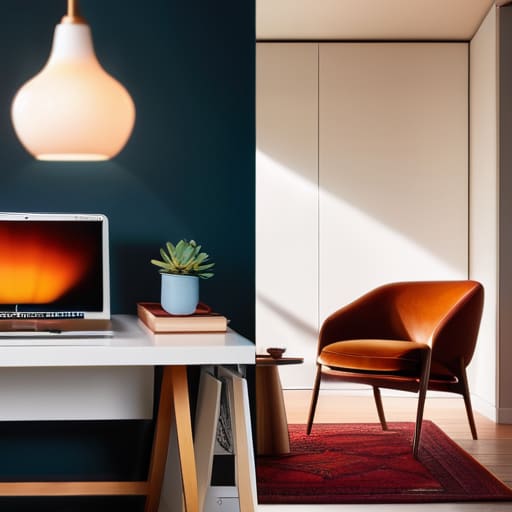
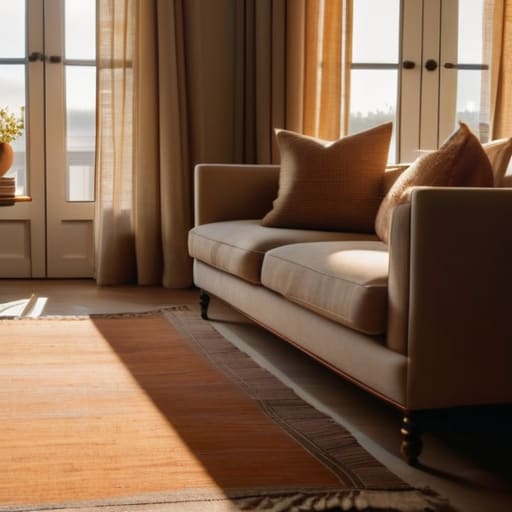
If you’ve ever walked into a room and felt instantly relaxed—or conversely, a little bit jittery—you were likely experiencing the psychological effects of lighting design without even realizing it. The secret sauce? It’s all about understanding warm vs cool light temperature. Think of warm light (those cozy, amber tones) as a soft hug for your living room; it’s perfect for winding down with a glass of wine after a long day. On the flip side, cool light (the crisp, bluish tones) is your best friend in the kitchen or home office when you need to actually focus and get things done.
But here’s my pro tip for making your space feel truly high-end: never rely on just one type of bulb. I’m obsessed with layering different light temperatures to create depth. You might use a bright, cool light for your morning coffee routine, but you’ll want to switch to warm, dimmable lamps as the sun goes down. It’s all about that transition from “productive mode” to “total relaxation mode.”
Unlocking the Psychological Effects of Lighting Design
Now, if you’re feeling a little overwhelmed by all the technical specs like lumens and kelvins, don’t panic—I’ve been there! Sometimes, the best way to get inspired is to see how others are styling their spaces and connecting over shared design passions. I actually love checking out different online communities to see what’s trending, and if you’re looking for a place to unwind and chat with others after a long day of DIY-ing, exploring a Canadian adult chat community can be a total game-changer for finding your vibe. It’s all about finding those unexpected connections that help you feel more at home in your own skin and your own space.
Have you ever walked into a room and felt an instant wave of calm, or maybe a sudden surge of energy? That’s not magic—it’s science! When we talk about the psychological effects of lighting design, we’re really talking about how light dictates our internal rhythm. For instance, harsh, overhead lighting can actually trigger a subtle stress response, making you feel like you’re under a spotlight in a high-stakes meeting. On the flip side, soft, indirect light tells your brain it’s finally time to unwind and breathe.
To really master this, I always recommend layering ambient and task lighting to create different “emotional zones” in your home. Think about it: you want bright, focused light in your home office to keep your brain sharp and productive, but you definitely don’t want that same intensity in your bedroom. By using different light sources for different activities, you’re essentially coaching your mind on how to behave in each space. It’s all about creating a home that responds to your needs throughout the day!
My Top 5 Pro Secrets for Lighting Like a Designer
- Ditch the “Big Light” and embrace the power of layers. I know, I know—turning on the overhead light is easy, but it’s a total vibe killer. Instead, mix it up with floor lamps, table lamps, and even some cute rechargeable sconces to create depth and texture in your space.
- Play with shadows to add some drama. High-end design isn’t just about what you illuminate; it’s about what you leave in the dark. Using directional lighting to create soft shadows can make a room feel incredibly sophisticated and much more expensive than it actually is.
- Use accent lighting to highlight your “statement pieces.” Whether it’s that vintage vase you scored at the flea market or a gorgeous piece of art, a tiny spotlight or a well-placed picture light tells your guests exactly where to look and gives your room that curated, gallery-like feel.
- Don’t forget the magic of candlelight (or the high-end dupe: flicker-flame LED candles!). There is nothing—and I mean nothing—that beats the soft, dancing glow of a candle for setting an intimate, cozy mood during a dinner party or a solo reading session.
- Incorporate smart lighting to match your daily rhythm. I’m obsessed with using smart bulbs that I can dim or change via my phone. Being able to transition from bright, energizing light for my morning coffee to a soft, amber glow for winding down at night is a total game-changer for your mental wellness.
Let There Be Light (and Style!)
At the end of the day, mastering your home’s atmosphere is all about layering. We’ve talked about how the psychological shift from harsh overheads to soft, warm glows can completely reset your mood, and how choosing the right color temperature is the secret weapon in your design arsenal. Whether you’re playing with shadows to create drama or using bright, cool light to fuel your morning productivity, remember that lighting isn’t just a functional necessity—it is the ultimate design tool. Don’t be afraid to mix your task lamps, floor lights, and those gorgeous statement pendants I’m always obsessing over to create depth and dimension in every single corner.
If you’re feeling a little overwhelmed, my best advice is to just start small. You don’t need a massive renovation or a professional lighting plan to see an immediate difference; sometimes, just swapping out a single bulb or adding a chic, affordable table lamp can transform your entire vibe. Your home is a living, breathing reflection of who you are, so treat your lighting like the finishing touch on a curated outfit. Go out there, experiment with those different layers, and create a space that truly glows with your unique personality. I can’t wait to see how your new ambiance turns out!